

By Zach Friend, Santa Cruz County Supervisor 2nd District
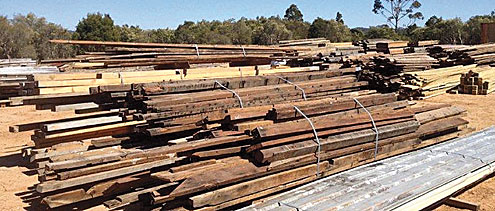
The resolution specified that “measures will include encouraging residents, businesses and agencies to use, reuse, and recycle materials judiciously, in addition to encouraging manufacturers to produce and market less toxic and more durable, repairable, reusable, recycled, and recyclable products.” In order to ensure zero waste became possible, the resolution called for the creation of a regional compost facility; construction and demolition waste recycling; increased commercial recycling and landfill bans of easily recyclable materials. The resolution also established a milestone of 75 percent waste diversion by the year 2010.
What exactly is Zero Waste?
How are we working toward it locally?
Since 2005, the County has engaged in significant outreach and education (with materials in English and Spanish) on recycling and home composting, green building and more to local schools and residents.
A pilot program for composting food waste was begun, and plans for a more comprehensive composting facility are under way. A number of County ordinances have been enacted to reduce waste and increase recycling, including bans on plastic bags and styrofoam and new standards for the recycling of electronic waste.
Additionally, since that time the Board of Supervisors has worked with Public Works on new retail take back and diversion programs for used oil, batteries, carpet, mattresses, fluorescent light bulbs, propane canisters and paint. As I wrote recently in this column, the Board also just approved and extended producer responsibility ordinance encourage proper disposal of drugs and sharps so they don’t end up in our water systems or landfill.
With this background of education, outreach and new ordinances remarkable progress has been made toward the goal of zero waste. In fact, in 2010 County residents met the goal of 75 percent waste diversion and continue to maintain one of the highest waste diversion standards in California.
While we have accomplished a great deal, the closer we come toward achieving our zero waste goal, the more difficult it becomes to divert the remaining materials. Public Works has outlined a plan, that the Board supported, to serve as a guide for future efforts.
Given our community’s remarkable work toward this goal already, with now over 75 percent of our waste diverted, I know it’s something we can achieve.
•••
As always, I’d love to hear your thoughts. Please feel free to call me at 454-2200.