


By Jon Chown
The Capitola City Council, on Jan. 8, approved the city’s annual and five-year Development Impact Fee Report, which shows the city ended fiscal year 2024-25 with unexpended balances in multiple categories.
The report shows how fees collected from new development have been used to offset the cost of public services and facilities. Under California law, local governments that charge development impact fees must prepare annual and five-year findings detailing revenue collected, expenditures, fund balances and plans for future use.
The housing impact fee fund had a year-end balance of $144,598. In fiscal year 2025-26, the city has programmed $121,250 of that amount for first-time homebuyer down payment assistance and housing rehabilitation programs.
Housing in-lieu fees — also deposited into the city’s Housing Trust Fund — ended the fiscal year with a balance of $204,882. A loan for the Pacific Cove Resident Relocation Program was retired in the prior fiscal year, and remaining funds are slated for housing rehabilitation loans and grants in 2025-26.
Housing impact and housing in-lieu fees may be used for a range of affordable housing activities, including construction and preservation of affordable units, rehabilitation of existing housing, conversion of market-rate units, accessory dwelling unit construction, first-time homebuyer assistance, and predevelopment loans or grants. The report identifies $20,000 for first-time homebuyer assistance and $225,000 for housing rehabilitation.
Tree replacement in-lieu fees ended the year with a balance of $127, which was used during the fiscal year for tree planting and maintenance.
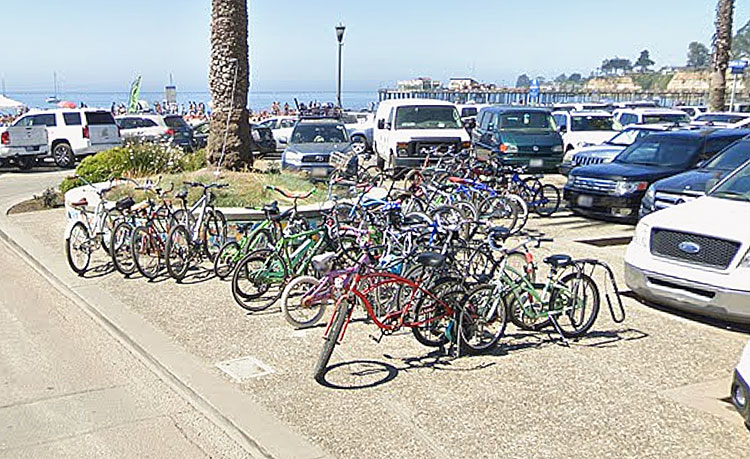
Bike parking in-lieu fees, associated with the Village outdoor dining program, had a year-end balance of $1,200 and may be used for the installation of bike racks.
Public art fees totaled $100,200 at the end of fiscal year 2024-25. Of that amount, $65,505 has been identified for future public art projects.