


By Jon Chown
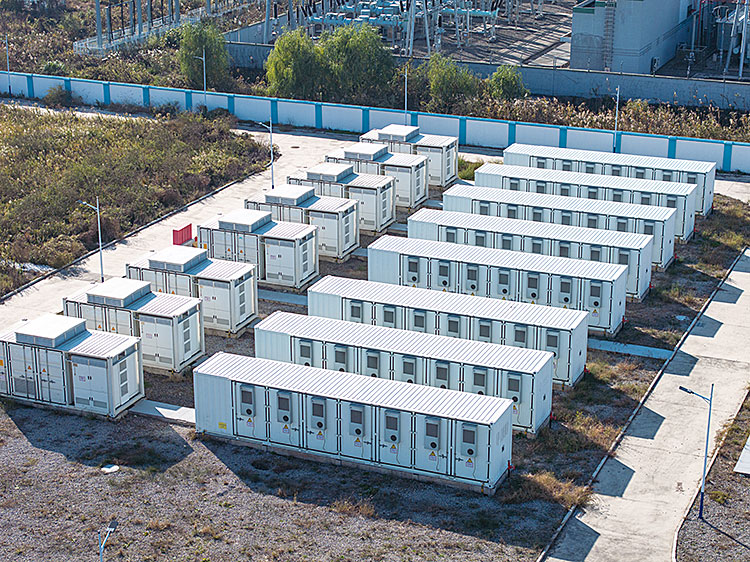
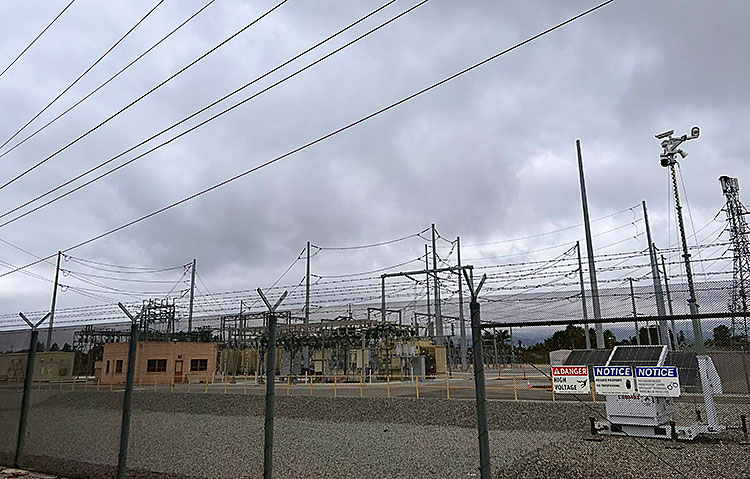
The Santa Cruz County Board of Supervisors, at their June 30 meeting, voted to stop work on a proposed ordinance to regulate large battery energy storage projects and instead ask the California Energy Commission to use the county’s draft safety and land-use standards when reviewing the proposed Seahawk Battery Energy Storage System near Watsonville.
Besides sending a letter to the CEC, the Board also directed county staff to negotiate a community benefits agreement with New Leaf Energy and continue participating in the California Energy Commission’s environmental review of the project.
County staff recommended the change after concluding there was little reason to spend time and money completing the ordinance now that there are no battery storage applications pending before the county.
“The benefits of finalizing the Draft Ordinance appear to be limited,” staff wrote in a report to the board. The report said preparing the required Environmental Impact Report would be expensive, was not included in the county’s budget and could expose the county to legal challenges. Staff also noted that the California Energy Commission is not legally required to follow local ordinances when reviewing projects under Assembly Bill 205, the state law New Leaf is using to seek approval.
The board directed Chair Monica Martinez to draft a letter asking the Energy Commission to consider the county’s draft ordinance as it reviews the Seahawk proposal.
The letter states that Santa Cruz County supports battery storage as part of California’s efforts to improve grid reliability and expand renewable energy, but believes projects must be developed under strong public safety and environmental protections.
The letter asks the commission to evaluate the Seahawk project using standards that are at least as protective as those proposed by the county, particularly in areas involving fire safety, environmental monitoring, local oversight and agricultural protection.
Proposed Ordinance Has A Long History
Battery energy storage systems store electricity produced during periods of high renewable energy production, such as sunny or windy days, and release that energy later when demand increases. Supporters say the facilities are an important part of California’s transition away from fossil fuels because they help stabilize the electrical grid, reduce the need for natural gas power plants and lower the risk of blackouts during periods of heavy electricity use.
The county began working on its ordinance in 2024 after supervisors directed staff to develop rules governing where large battery storage facilities could be built and how they would operate. The proposed ordinance would have created a new Energy Storage System Combining District covering qualifying properties adjacent to existing electrical transmission substations outside the coastal zone. Only parcels of at least 10 acres would have been eligible, and projects would have required approval from the Board of Supervisors through a conditional use permit after public hearings and recommendations from the Planning Commission. Projects affecting farmland also would have required review by the Agricultural Policy Advisory Commission.
The draft ordinance also included extensive safety, environmental and operational requirements. Among them were minimum setbacks of 300 feet from sensitive receptors and 1,000 feet from schools, hospitals, daycare centers and residential care facilities for older adults. Battery modules also would have been required to remain at least 100 feet from public roads and neighboring property lines.
The ordinance also proposed requiring independent studies of thermal runaway risk, smoke drift and toxic plume modeling, fire risk assessments and failure analysis before any project could be approved. Operators would have been required to coordinate emergency response plans with local fire agencies, provide annual emergency response training, install air quality monitors and weather stations around project sites, maintain dedicated fire water supplies unless waived by fire officials and provide financial guarantees to cover cleanup, environmental damage and decommissioning costs.
The proposal also included agricultural protections. Projects built on commercial agricultural land would have been required to study whether the land was economically viable for farming and, in many cases, permanently protect other farmland through agricultural conservation easements to offset the loss of productive soils.
County officials spent months revising the ordinance after receiving comments from residents, emergency responders, agricultural interests and the battery storage industry. New Leaf Energy initially praised the county’s effort.
During earlier discussions, company representatives described the proposal as one of the strongest battery storage ordinances in the country and said they intended to wait for the county process before seeking approval. That changed after the Board of Supervisors approved additional amendments to the ordinance in January.
In a May letter notifying the county that New Leaf would withdraw its application, Senior Developer Max Christian wrote that the changes created “significant commercial risks, as well as critical delays” that made the county approval process no longer practical.
Christian specifically objected to a new requirement that future ownership transfers receive approval from the Board of Supervisors, calling it unprecedented. He noted that New Leaf’s business model is to develop projects and eventually sell them rather than operate them long term.
Christian also pointed to repeated delays in completing the ordinance, saying they increased uncertainty for the project. Utility-scale energy projects must secure positions in the state’s electrical interconnection process years in advance, and delays can increase costs while threatening those positions.
Instead of continuing with the county, New Leaf submitted the Seahawk proposal to the California Energy Commission under Assembly Bill 205. In his letter, Christian said the state process would still require extensive environmental review, review by battery safety experts, coordination with local fire agencies, preparation of emergency response plans and opportunities for public participation.
Public is Wary of Project
The project has drawn strong opposition from many South County residents and elected officials. Last year, the Watsonville City Council voted to send a letter to Santa Cruz County opposing the proposed battery storage facility. Council members cited concerns about locating a large battery energy storage project near neighborhoods and agricultural land and urged the county to adopt strict safety standards before approving any proposal.
Those concerns helped shape many of the provisions later added to the county’s draft ordinance, particularly those involving emergency response planning, environmental monitoring, financial responsibility and protections for farmland.
Although the county will no longer complete the ordinance, supervisors said they want the work that went into developing it to influence the state’s review of the Seahawk project. The letter to the California Energy Commission asks commissioners to ensure that any battery storage project approved in Santa Cruz County meets standards that are at least equivalent to those proposed by the county.
Justin Cummings, county supervisor for District 3, said he wished the county would have completed the ordinance, noting that the public had demanded stricter provisions than the current draft and supervisors had agreed. One glaring omission was the county’s oversight of any ownership transfers, the issue that New Leaf found most untenable. “I think part of what isn’t clear is whether or not the board has any ability to deny an ownership transfer,” he said. “If Vistra comes along and wants to buy this facility and we know that they’re a bad actor, do we really want to allow that type of transfer and that operator to come into our community when they have a history of negligence?”
District 2 Supervisor Kimberly De Serpa said she had concerns about losing agricultural land to the BESS plant, nor did she like the location. She said she was told by New Leaf that PG&E needed the plant to store energy for the “west side.”
“Having the people of Watsonville take the risk so that we could push energy to the west side doesn’t seem right, just or fair to me,” she said.
After some more discussion, Cummings moved to approve the staff recommendation to send the letter to the state, along with the ordinance, but with the addition that the board must approve a transfer of ownership, as well as additional considerations when a BESS plant is proposed on agricultural land.