


By Jon Chown
MOSS LANDING — A fire broke out Sept. 18 at the Vistra battery energy storage facility in Moss Landing, more than a year and a half after a major fire heavily damaged the same site.


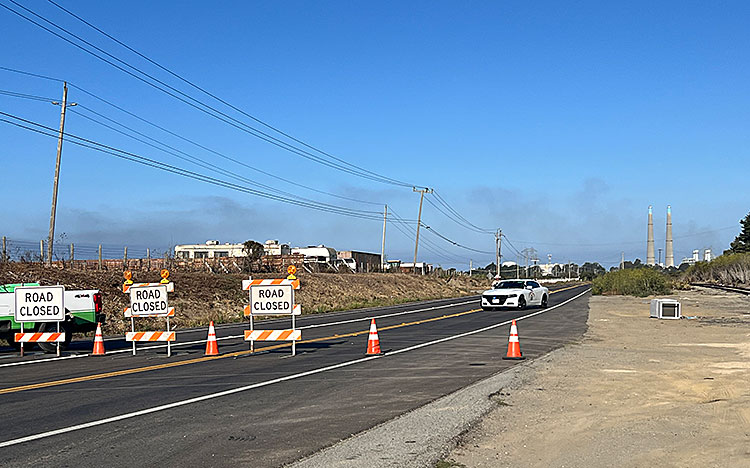
Firefighters evacuated workers from the plant, while also stabilizing the incident. Authorities issued a shelter-in-place warning for nearby residents and traffic was brought to a crawl on Highway 1. Dolan Road was blocked between Highway 1 and Via Tanques Road.
The fire was burning in the same facility damaged by the Jan. 16, 2025, fire, where cleanup and removal of lithium-ion batteries has been taking place under the oversight of the Environmental Protection Agency.
The shelter-in-place order was lifted later the same day, according to the Monterey Bay Air Resources District, as was the closure on Dolan Road. It wasn’t until the next afternoon that CAL FIRE listed the incident as finalized and the cause of the fire was still under investigation as of Sept. 23.
The latest fire occurred as crews were beginning the final and most difficult stage of removing batteries left from the 2025 fire. The EPA announced Sept. 8 that Vistra had begun removing and processing the remaining severely damaged batteries and other material from the burned building. Portions of the building are being
demolished so crews can reach batteries and debris that previously could not be safely accessed.
The EPA has said damaged lithium-ion batteries can remain unstable and present a risk of another fire. Lithium-ion battery fires also can release hydrogen fluoride and other flammable or toxic gases. The original fire spread heavy metals for miles across the region and a thin dust of pollution was later discovered throughout Elkhorn Slough.
Brian Roeder, co-founder of Never Again Moss Landing, said he was disappointed in both the EPA and the county. Even if the most recent fire was inevitable, the public could have been alerted earlier and better informed during the emergency. He said the site was only monitored when the cleanup crews were working, leaving the community at risk when they are not.
The original fire began Jan. 16, 2025, in Vistra’s 300-megawatt Moss Landing 300 battery energy storage system. The building contained about 100,000 lithium-ion battery modules, and the EPA estimates about 55% were damaged. That fire continued until Jan. 18 and flared up again Feb. 18, 2025.
Since then, the EPA has overseen the removal of batteries from the damaged building. During the first phase of the cleanup, nearly 40,000 intact batteries were removed for recycling, according to the agency. Batteries were de-energized before being transported to EPA-approved recycling facilities in Nevada and Ohio.
The more heavily damaged batteries present a different challenge. The EPA said some severely damaged batteries must be treated at the Moss Landing site before they can be transported. Battery debris and other fire-related waste will be tested to determine how it must be handled before being sent to approved disposal facilities.
The EPA said safety measures during the cleanup include air monitoring and sampling, battery temperature monitoring, water collection and testing, dust suppression and a fire and smoke watch. The agency also requires an emergency response plan to be in place in case another fire occurs.
Vistra is performing and paying for the battery removal under EPA oversight. The EPA said earlier this month that it expects removal of the remaining batteries and demolition of the damaged building to continue until mid-2027.