
By Jon Chown
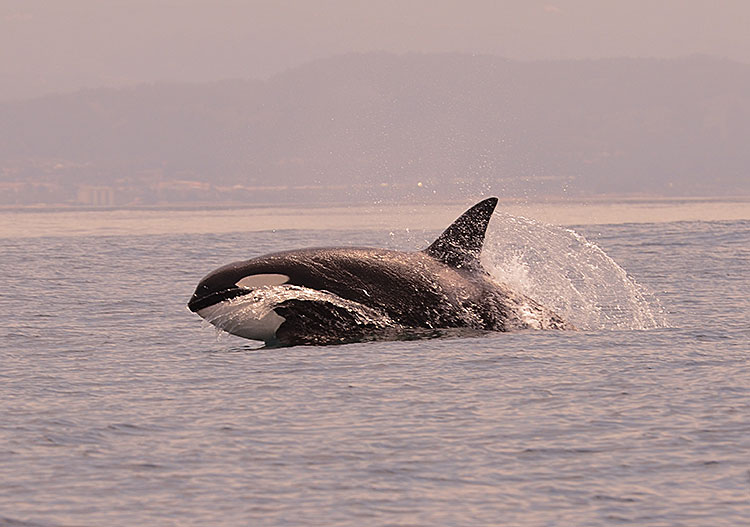
He’s no scientist, but Eric Mailander, 60, has learned a lot about marine life during his years. In fact, he’s learned so much that scientists from the Shark Lab at California State University Monterey Bay have come to him for information and now he helps their research.
“I wanted to be a marine biologist,” he said. “I went a separate route, but it’s still a hobby.”
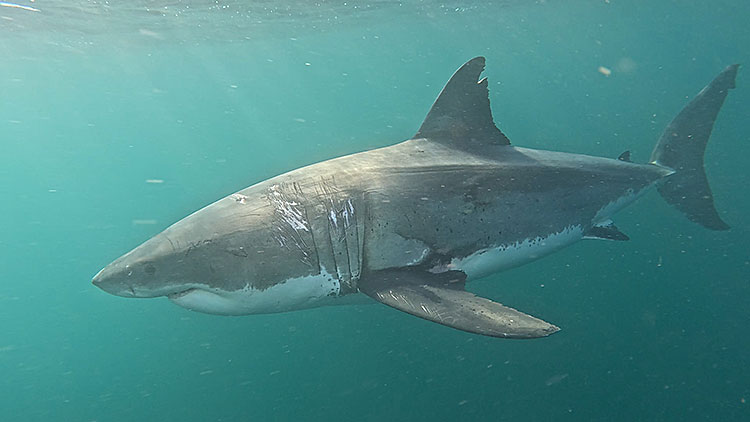
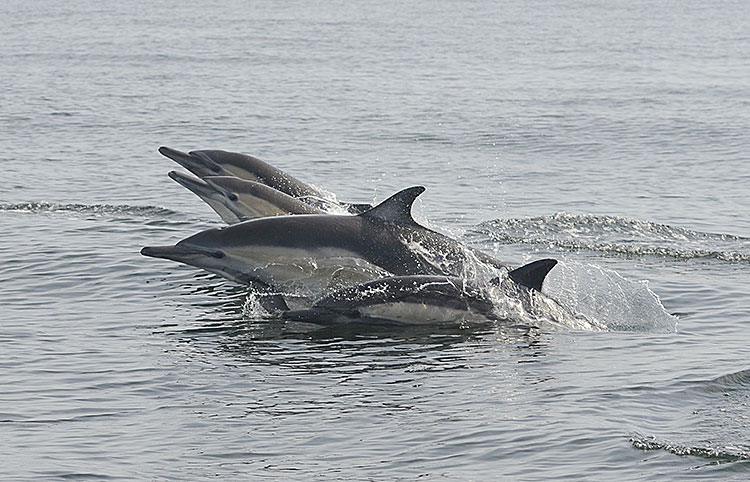
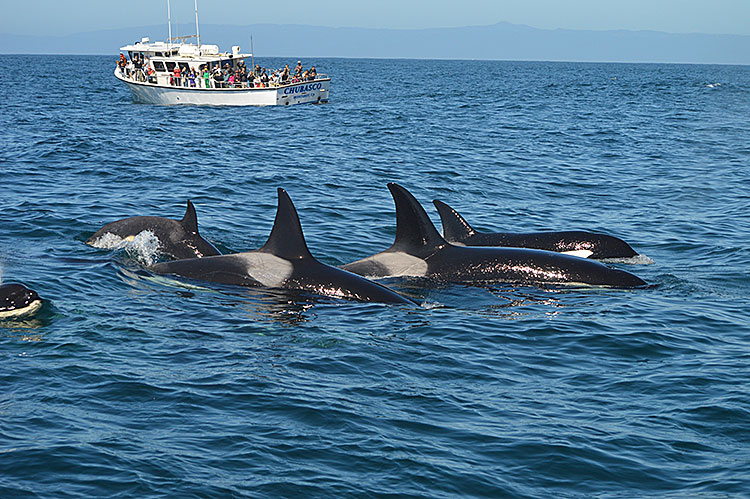
Mailander is often out in the water taking photos of sharks and other marine life. He’s been studying most everything that swims the Monterey Bay for many years. He would often send photos to the Shark Lab, and then he started doing drone surveys on his own and relaying that information. Eventually he was invited to help with a scientific paper the lab was working on. After that, more work, all of it as a volunteer, followed.
Mailander was recently at Ano Nuevo Island helping to tag sharks and complete DNA studies. He was even asked once by the Discovery Channel to take part in a project for Shark Week, but he said it would have interfered with his real job.
Readers might recognize his name from social media. He is often posting photos of sharks and other animals on Aptosia and other local pages. He will occasionally get his friend Chris Guillarte to help him. Guillarte owns Specialized Aviation in Watsonville and will fly the two up in his helicopter to look at what’s in the ocean. Mailander said he wants to educate people about the ocean and sharks. People should not fear them, he said.
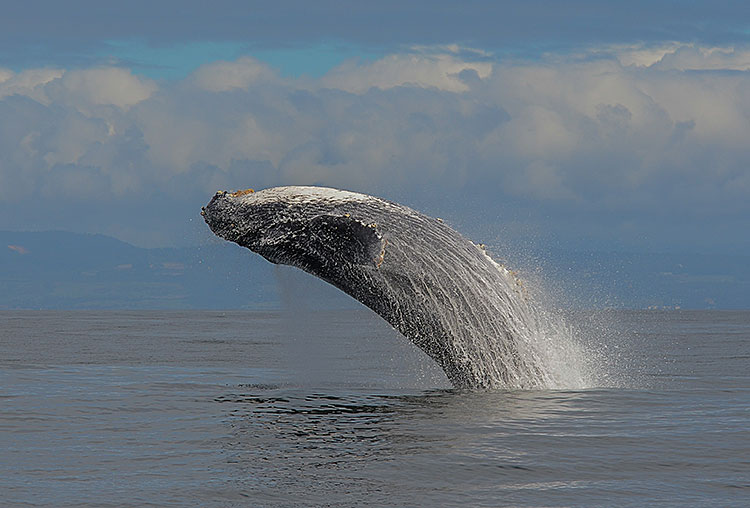
Mailander said that if you are in the water and see a shark, stay calm. Don’t paddle or kick. “Don’t go crazy. The shark will check you out and leave.”
One way to be safer is to not swim among seals and sea lions, where you might get mistaken for their prey. Also, Mailander said most shark attacks happen in the fall or winter, when sharks are returning from the deep ocean hungry, looking for food.
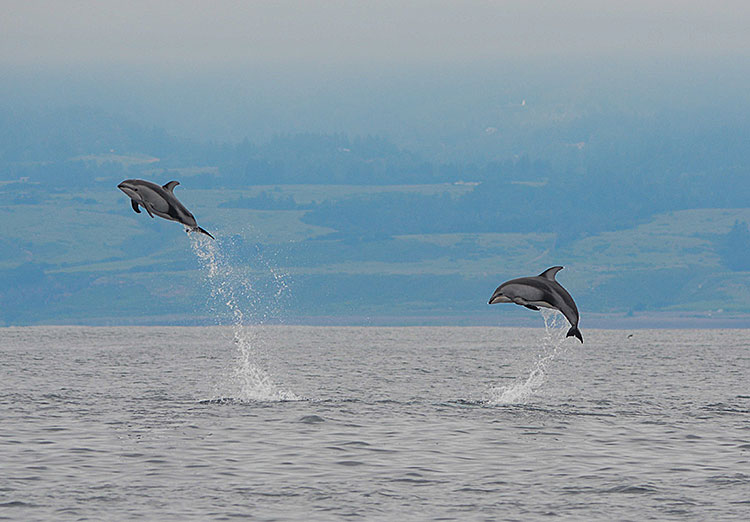
This summer is especially interesting, Mailander said, due to the extreme El Niño. With the ocean being so warm in Southern California, a lot of marine life is moving up to the Monterey Bay that we would not normally see.
“The abundance of sea life out there is incredible. We’re getting a lot of vagrants in the area: leather back turtles from New Guinea, tropical birds, bluefin tuna, blue whales. It’s a sure sign El Niño is hitting,” he said. “The water is warmer, so everything that’s usually down there, we are going to see up here. We might even see marlin and sail fish.”