



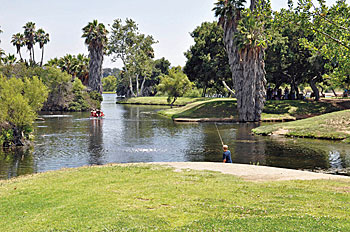
While water recycling is a sustainable approach and can be cost-effective in the long term, the treatment of wastewater for reuse and the installation of distribution systems at centralized facilities can be initially expensive compared to such water supply alternatives as imported water, ground water, or the use of gray water onsite from homes.
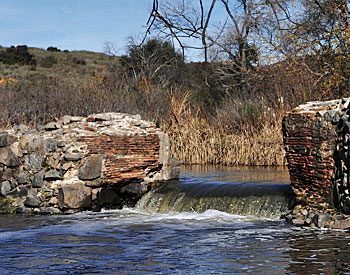
As water energy demands and environmental needs grow, water recycling will play a greater role in our overall water supply. By working together to overcome obstacles, water recycling, along with water conservation and efficiency, can help us to sustainably manage our vital water resources.
From the Environmental Protection Agency Website: www.epa.gov/region9/water/recycling/
•••
Recycled Water Meeting February 4

The District’s sole water supply is an overdrafted groundwater basin that is showing signs of seawater contamination at its coastline. Beginning in September 2013, the Board began dedicating one meeting a month to discuss potential water supply options to address water shortages. Past topics have included desalination, surface water transfers, and mandatory water rationing.
Several presenters will be addressing recycled water including:
- Dave Smith, Managing Director of WateReuse Association — Recycled Water 101
- Mark Dettle, Public Works Director for City of Santa Cruz — Overview of the Santa Cruz Wastewater Treatment Plant
- Todd Reynolds, Kennedy/Jenks, Technical Advisor — Potential Opportunities for District Use of Recycled Water
- Bill Smallman, Local Citizen — Conceptual Ideas on Water Reuse: Indirect Potable Reuse and Creative Incentive Programs
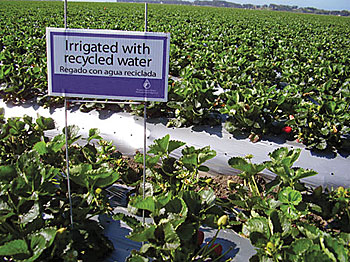
“Over the last five years, there have been new regulations in California on the use of recycled water and the District is re-evaluating its potential to provide water for irrigation, groundwater recharge, or indirect potable water,” said Kim Adamson, General Manager.
Future Board meetings scheduled for 2014 will address groundwater options, moratoriums, and first phase mandatory water rationing. Following these exploratory discussions, the Board intends to shortlist and select a back-up option or options.
Community TV of Santa Cruz County is recording these exploratory discussion meetings for playbacks on their government/public affairs channel 25/71. To access the District’s webpage for more information on these efforts, visit: http://www.soquelcreekwater.org/exploratory-discussions.