


By Tony Tomeo
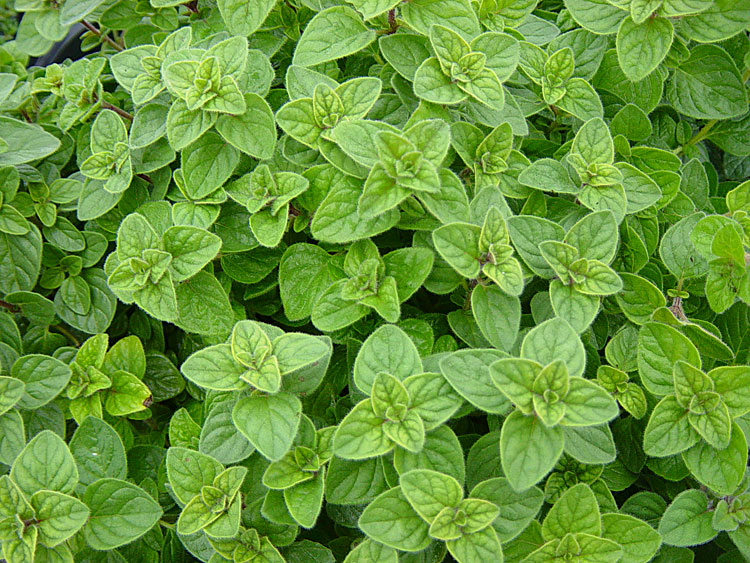
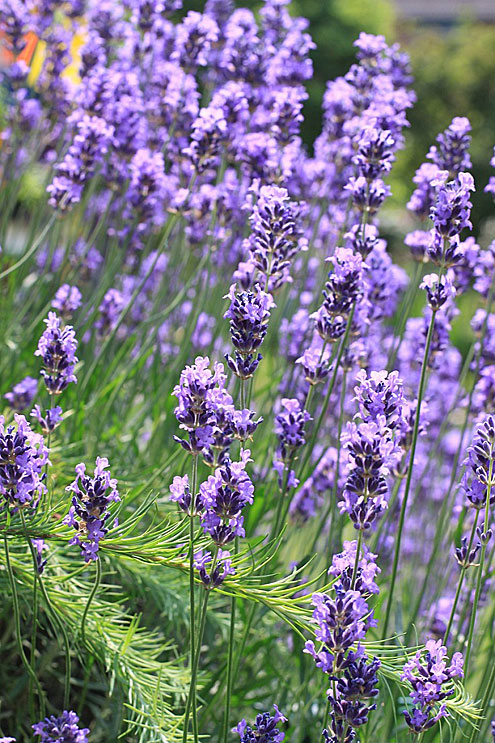
Most herbs are best fresh, like mint, chive, cilantro and parsley. Bay leaf and lavender are herbs that are more commonly used dried rather than fresh. Sage, rosemary and oregano can be used either dried or fresh, depending on the desired effect. Yet, for many of us, dried herbs are used merely because of convenience. They are available when their fresh versions are out of season.
Lots of herbs are not productive throughout the year. Before they get tired, and lose flavor through the warmth of summer, they can be cut and dried for later. Many gardening texts suggest that herbs that need to be dried should be collected and dried about now as most happen to be ready about now. There are probably many that get collected and dried when it is convenient for us, or when overgrown plants need to be pruned.
Because rosemary is available throughout the year, it is not often dried. Even while in full bloom, there is plenty of foliage to go around. When dried, it’s probably because the dried flavor is preferred for a specific recipe. Other herbs are likely to be dried because they are not available during some of the year. Many herbs are annuals or perennials that go dormant during the winter. Drying the last bits of cilantro might be useful in winter.
California bay
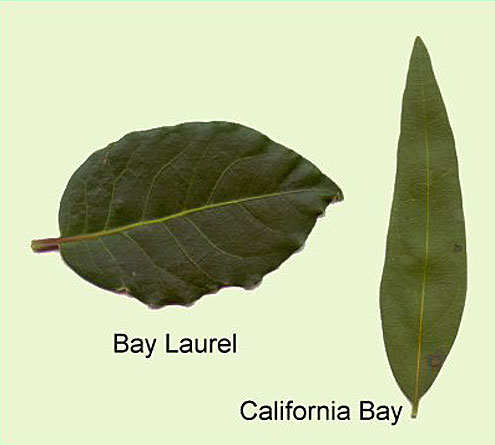
As the name suggests, California bay is native to California. However, because it is from rainier climates, it prefers a slight bit more water. It provides nice cooling shade in large landscapes, but is a bit too dark and messy for refined home gardens. The aromatic leaf litter can annoy delicate annuals and seedlings.
Well exposed California bay trees can eventually get more than thirty feet tall and almost as broad. Forest trees that compete with other trees can get a hundred feet tall! Small trees can be shorn as hedges. If not watered too generously, the roots tend to be rather complaisant. However, old trees can eventually develop massively distended burl growths known as lignotubers at the bases of their trunks.
•••
Horticulturist Tony Tomeo can be contacted at lghorticulture@aol.com.