


Housing Matters, one of Santa Cruz County’s largest providers of homelessness services, announced plans to reduce capacity at two of its key programs as it seeks to address persistent budget deficits and preserve operations for the long term.
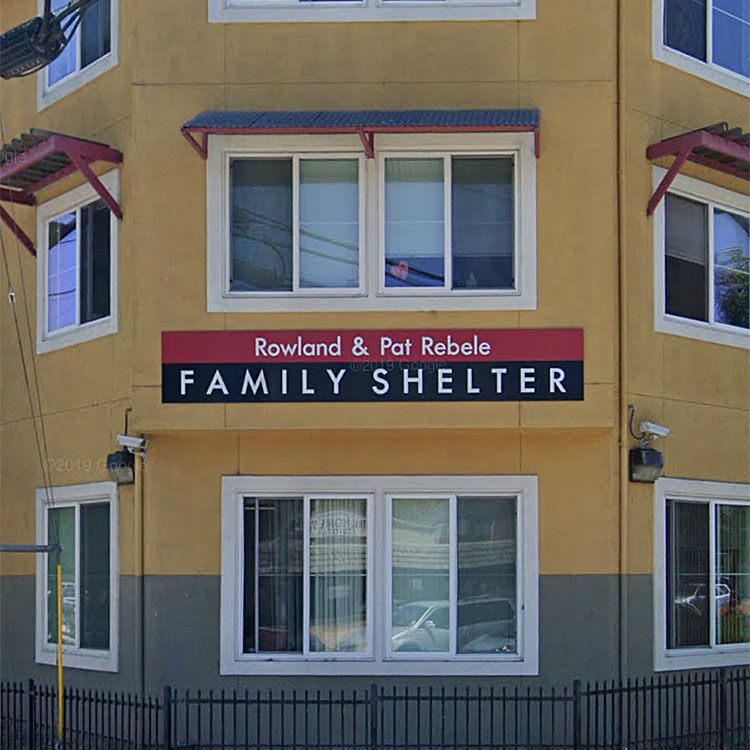
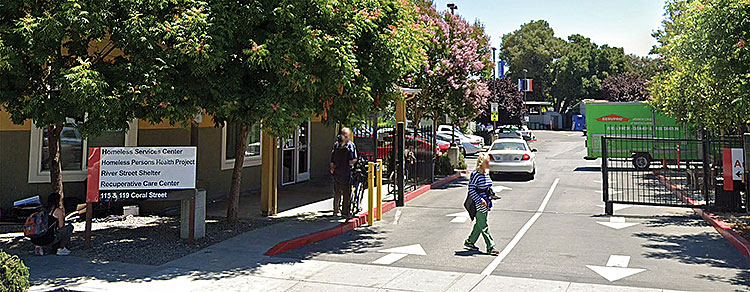
The nonprofit said it will consolidate its Recuperative Care Center into the same building as the Rebele Family Shelter beginning in June, a move expected to save more than $1 million annually in lease costs and reduce other operating expenses.
Housing Matters leaders described the changes as a difficult response to structural funding challenges facing homeless service providers nationwide.
“Rather than risk the closure of either program, we are reducing the capacity of both to preserve services into the future,” the organization said in a letter to supporters announcing the changes.
The most immediate impact will be felt at the Rebele Family Shelter, one of the county’s few programs dedicated specifically to families experiencing homelessness. Under the new arrangement, family shelter operations will be consolidated onto the building’s third floor, while the Recuperative Care Center — which provides short-term housing and medical support for people recovering from illness, injury or hospitalization — will occupy the second floor.
The reduction of 10 family shelter rooms represents a loss of more than one-third of the shelter’s current capacity. Housing Matters did not immediately indicate how many families could be affected by the change or how admissions policies might be adjusted once the transition is complete.
The nonprofit said both programs have been operating with significant budget deficits. While government funding remains the primary source of support, Housing Matters said most public grants cover only a portion of the administrative and operational costs associated with providing shelter and supportive services.
The organization relies on private donations and foundation grants to make up the difference.
As Housing Matters has expanded its programs, those funding gaps have widened, according to the organization.
The consolidation is intended to save money by allowing the two programs to share services including security, facilities management and kitchen operations. Housing Matters said those savings are necessary to move both programs toward long-term financial sustainability.
Despite the reductions, Housing Matters said it remains committed to helping people move from homelessness into stable housing.
“We remain deeply committed to our mission of empowering individuals and families on their pathway from homelessness into stable housing,” the organization said.
Housing Matters did not announce any staff reductions associated with the transition.