



By Dr. Katie Volat
How would your pet tell you he has arthritis?
Cats and dogs are very different from us when it comes to expressing pain. They do not complain about it as well as we do! My clients usually tell me; “My dog lost interest in play” Or “She takes much longer to stand up, particularly in the morning.” For cats, the symptoms can be even more subtle. They may stop jumping to high places or may have difficulty performing the simple task of stepping inside the litter box. These are all signs that your pet may be suffering from arthritis. The good news is we now have a number of new and exciting treatments for this condition that every pet owner needs to know about.
What is arthritis?
What Can We Do?
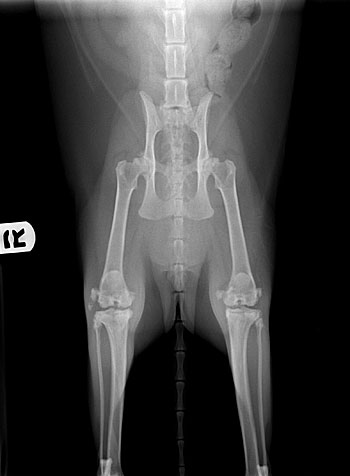
If you notice signs of arthritis, first have your pet examined by your veterinarian. An exam and x-rays are the best ways to diagnose arthritis. Many other musculoskeletal problems mimic arthritis so don’t skip step one before starting treatment.
Treatment Options
Weight Management. Obesity exacerbates arthritis. Painful pets will exercise less and gain weight. Weigh your pet regularly to ensure pounds are not sneaking on. Pets will need far less pain medication at their ideal weight. Ask your veterinarian to assist your pet with a weight loss plan.
Exercise. The old adage “move it or lose it” applies. Once your pet stops regular exercise, healthy muscle is lost which is crucial in supporting arthritic joints and is difficult or impossible to replace as pets age. Pets with arthritis require a modified exercise routine. For example, taking shorter but more frequent walks throughout the day (three 20 minute walks vs. a 1 hour hike).


Environmental Modification. Slippery floors, stairs, and high jumps into the car or off furniture can be disastrous. Use slip-proof rugs or carpet runners. A small set of stairs or ramp can help an older pet climb onto furniture or into a vehicle. For cats, switch to a litter box with a cutout entry.
Supplements, such as omega fatty acids are natural, safe and well tolerated by most animals. Choose a source from “whole fish” rather than cod liver. Brands with sustainable fishing methods (i.e. Nordic Natural or Wild Alaskan) will ensure grandchildren can give their pets fish oil. Your veterinarian can help you select from the dozens of other supplements that can reduce the need for medications. Be patient! Benefits are usually not seen for 4-8 weeks.
Chondroprotective Injections are medications containing a building block of joints. They are administered at home or by your veterinarian as a series. The benefits include increased cartilage repair, and reduced inflammation.
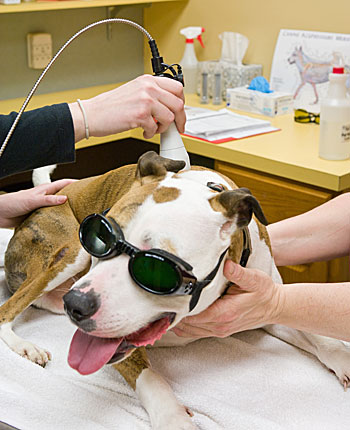
Laser Therapy works by reducing pain and inflammation while accelerating healing. Lasers are side-effect free alternatives, particularly for pets whose health issues limit their ability to take medications.
Stem Cell Therapy has shown to be helpful in reducing the need for medications. One hundred percent of the patients treated with stem cell therapy at our hospital have shown improvement according to their owners. This three-step process has proven to be extremely safe since the pets own cells stem cells are utilized.
Medications
Analgesic (pain relieving) medications such as Tramadol and Gabapentin are also effective, in conjunction with or alone, for pets that can’t tolerate NSAIDS. These medications block pain perception but do not reduce inflammation.
Surgery can provide relief when other options have failed. Surgical specialists within Santa Cruz County offer a variety of surgical options to pets with severe arthritis.
Combine Treatments for Best Results
The best results are obtained by using multiple different modalities that can be adjusted over time. Don’t be discouraged if something isn’t working. Work with your veterinarian to choose the next step. Together you can develop a plan for Joyful Joints!
•••
For more in depth discussion check out this informative link: www.dropbox.com/s/mi7ozhv8bec9k05/Arthritis.pdf