


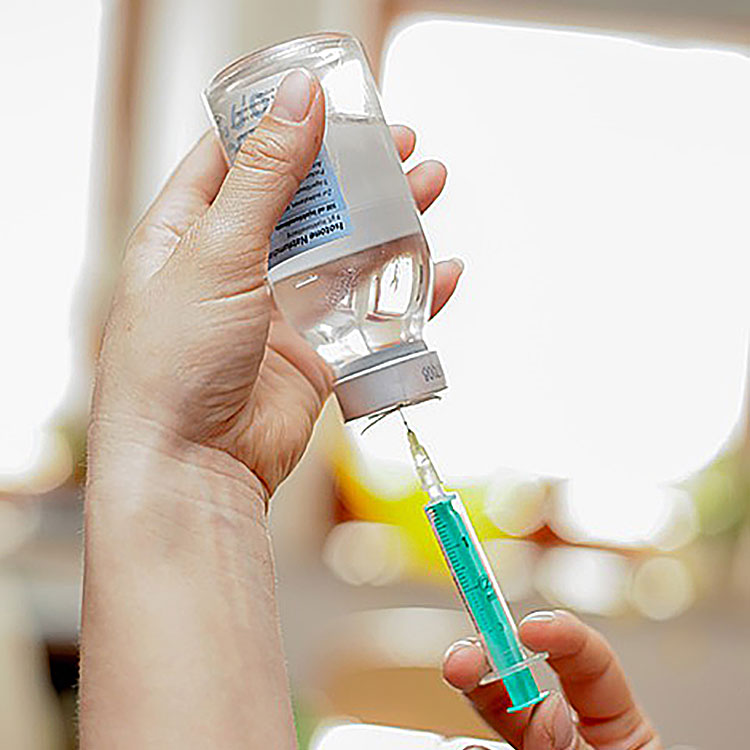


So, what is a vaccine? A vaccine is composed of an actual biological substance that improves the immunity to a particular disease. The vaccine contains this biological agent that resembles a disease-causing microorganism (e.g., a bacterium or virus). The biological agent is made from the weakened or killed form of the microorganism or some critical component of the microorganism. This biological agent stimulates the body’s immune system to recognize the agent as “foreign” to the body. Not only does the immune system destroy this foreign agent, but the system remembers it in case of a future invasion by the actual microorganism.
In Lancet, a British medical journal, there were published data in 1998 attesting to a link between the mumps, measles, rubella (MMR) combined vaccine and autism. Twelve years later (2010), this article was retracted. Why? There were several discrepancies found. Some children were misdiagnosed.
There were discrepancies in the accounts amongst investigating physicians. One mother even inquired about monetary compensation before her child was vaccinated.
There have been claims made that vaccines, in particular the flu vaccine, have caused Guillain Barre Syndrome (G-B). This is a rare autoimmune disorder causing muscle weakness, fatigue, and respiratory decompensation, even death. One case of G-B occurs usually in a population of 100,000 people. Statistically there is no difference in the incidence of G-B rates in a vaccinated population.
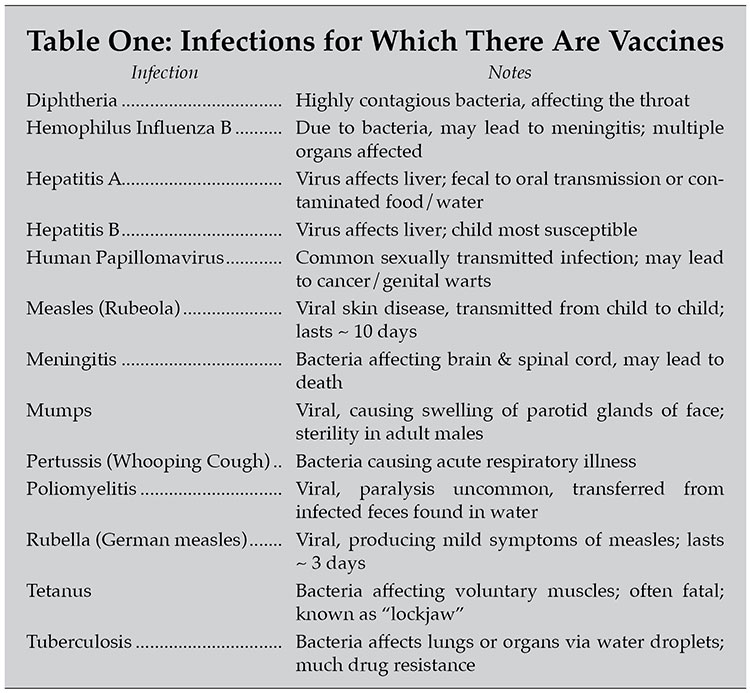
In 2017, the International Journal of Vaccines and Vaccinations, reported that various particulate matter was found in some vaccine vials. Particulate matter means that these vials were contaminated with chemicals that could be harmful to the human body. This study was conducted in Europe.
Vials containing particulate matter would never be approved for human use in the U.S. Granted, some vials with particulate matter do get past the U.S. vaccine manufacturer’s quality control, but this is not the standard. Heavy fines can be levied against the manufacturer, not to mention liability concerns.
These articles, as well as hearsay, have led to increased rates of unvaccinated children. In 2015, 1.3% of children in the age group of 19 to 35 months were not vaccinated against measles. Measles was eliminated in the U.S. nineteen years ago. However, due to the upswing in unvaccinated children, there was an outbreak in Minnesota in 2017. Today we are seeing outbreaks in other sections of the U.S. as well, especially New York.
The bottom line is if your child is unvaccinated against these diseases or even if an adult who is unvaccinated travels to another area where there are high numbers of unvaccinated people, the occurrence rate of these diseases is greater.
I am not sure all people, in particular parents, understand the perils of contracting one of these preventable diseases. If, for example, you see an actual case of smallpox, you will never forget it. If you are a parent who failed to provide your child with a smallpox vaccine and she/he contracts the disease, you may never forgive yourself.
•••
For more info: rrxconte@gmail.com