

By Jen Michelson, Environmental Programs Manager, SLVWD
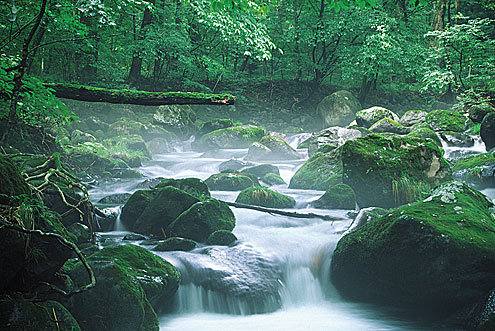
Customers receive their water from groundwater, creek water or a combination of both sources, depending on where they live and the time of year. Between 40 and 60 percent of the drinking water for San Lorenzo Valley residents comes from groundwater, an amount that varies due to seasonal and year-to-year fluctuations in stream flows that can be diverted into the SLVWD water system. Higher stream flows allow the District to use less groundwater, giving wells the chance to rest.
In recent years, however, overall creek flows have been lower because of the drought. As a result, the District has been drawing more from its groundwater wells earlier in the year and for longer durations.
SLVWD Water Systems
To supply water to its customers, SLVWD runs three separate water systems:
- The North System, which stretches from Ben Lomond to north of Boulder Creek, gets its water from small creeks during the winter and spring, then shifts to mostly groundwater in the late summer and fall.
- The Felton System gets all of its water from streams, mostly Fall Creek.
SLVWD Groundwater Wells
Within the water systems, SLVWD operates three sets of wells east of the San Lorenzo River near Felton and Ben Lomond. As spring rains subside, more groundwater will be pumped from wells tapping the Santa Margarita Aquifer, the principal source of groundwater in the area. When a well turns on, water is drawn from between particles of sand and soil, much like sucking from a straw in a glass filled with marbles, causing the water table to drop. Then, when the well is turned off, the water table slowly recovers.
These wells are in areas of sandy soil that are excellent for groundwater recharge when it rains. But when rainfall is insufficient during dry years, the water table drops deeper. For example, one SLVWD well has seen the water table decline from approximately 340 feet above sea level in 2011 to about 270 feet above sea level today, a drop of 70 feet over five years. The drop in water table is due to increased pumping during the drought.
Recent storms have brought the annual rainfall total to around 45 inches, which is about average for our area. Recovering from the long drought period will take years of average rainfall for the water table to return to pre-drought levels.
Ongoing conservation efforts will remain necessary to ensure the aquifer will remain a reliable resource for SLVWD customers in the future.
•••
Learn more on the SLVWD website: www.slvwd.com/pdf/SLVWD%20Drought%20Plan%20presentation%203-6-2014.pdf
The San Lorenzo Valley Water District, located in the mountains of northern Santa Cruz County, serves more than 7,500 metered connections to the communities of Boulder Creek, Brookdale, Ben Lomond, Zayante, Scotts Valley, Mañana Woods and Felton. For more information, visit www.slvwd.com or www.facebook.com/slvwaterdistrict.