


Story and Photos By Jon Chown
MOSS LANDING — Monterey County supervisors were presented with a conflicting picture of the environmental and public health impacts from the 2025 Vistra battery fire in Moss Landing during a public forum held March 17.
County officials, state regulators and independent scientists came to different conclusions on how much contamination the fire created, how that contamination should be measured, whether more testing should be done, and whether the contamination poses a lasting risk.
County environmental health officials emphasized that Monterey County did not conduct its own independent risk assessment, but instead acted as a coordinator in partnership with state agencies such as the U.S. Environmental Protection Agency and the California Department of Toxic Substances Control.
Following the fire, the county directed Vistra to carry out sampling for contaminants associated with battery debris. Sampling occurred in two phases — soil testing from May to June 2025 across 27 locations, followed by water and sediment sampling in September 2025, with results later compiled and shared with the public and regulators.
The timing of data collection and the method are key to the controversy.
Independent researchers with the EMBER project (Estuary Monitoring of Battery Emissions and Residues) began sampling within days of the January 2025 fire, capturing what they described as a thin but highly concentrated layer of battery-related metals deposited across marsh surfaces. DTSC scientists presented results of soil samples that went several inches down and were taken months after the fire.
State Risk Assessments Find no Significant Threat
State toxicologists presented a reassuring scenario based on the formal sampling data collected under county and state direction.
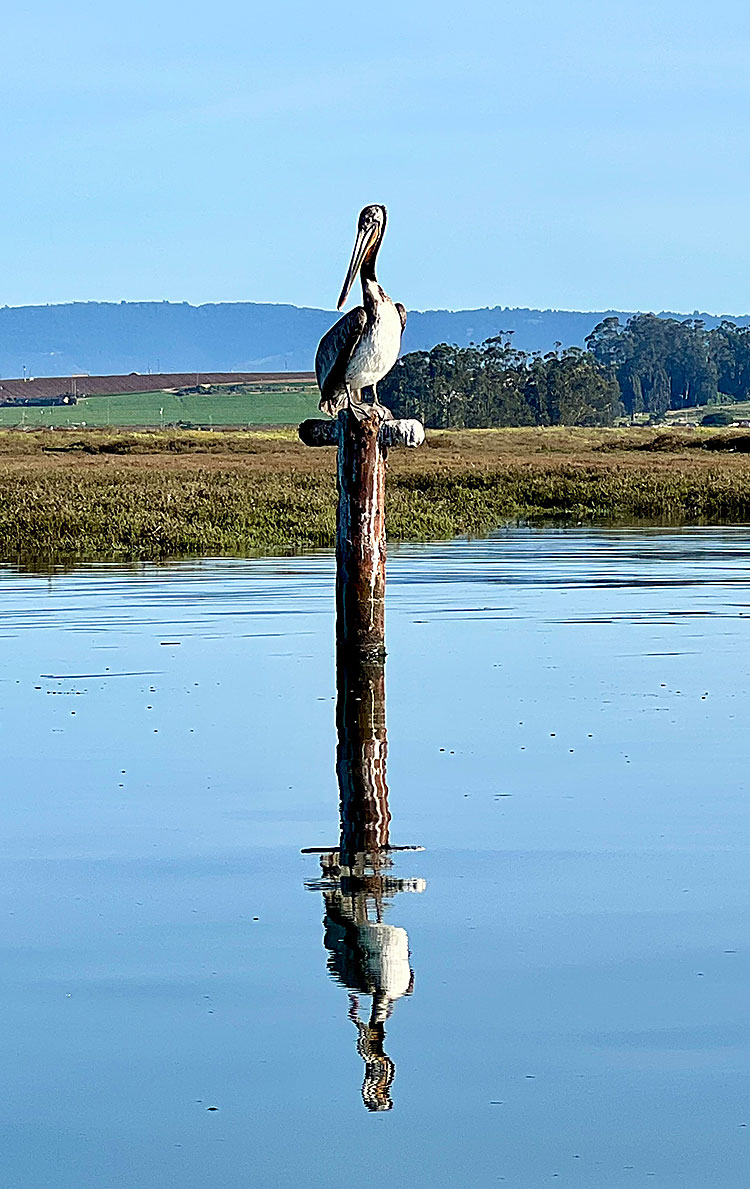
That conclusion was determined by comparing detected contaminant levels to established ecological thresholds. Only one measurement, nickel in sediment, exceeded screening levels, and that was attributed to natural conditions.
A state-led human health risk assessment, presented by Jiang Weiyang of DTSC, reached a similar conclusion. Toxicologists evaluated potential exposure through air, soil, and water and found that chronic health risks are not expected based on the sampled data.
“These screening levels are based on a person staying exactly at that location 24 hours a day, seven days a week,” Weiyang said. “And considering those conservative assumptions used to derive those screening levels, we concluded this level is not expected to cause human health risks to residents.”
The assessment considered metals such as nickel and manganese, along with combustion-related compounds like polycyclic aromatic hydrocarbons and dioxins, but concluded that measured concentrations did not pose a health concern under long-term exposure scenarios. Weiyang did note that these results did not dispute any claims by residents who were exposed to contamination during the fire. The study only looked at long-term effects from contamination that remained.
EMBER Raises Concerns About Missed Contamination
EMBER challenged those conclusions, arguing that the official sampling strategy missed most of the contamination. The group’s research identified a “thin, patchy” layer of ash containing elevated levels of nickel, cobalt and manganese that appeared shortly after the fire and dissipated within weeks due to rain and tidal action.
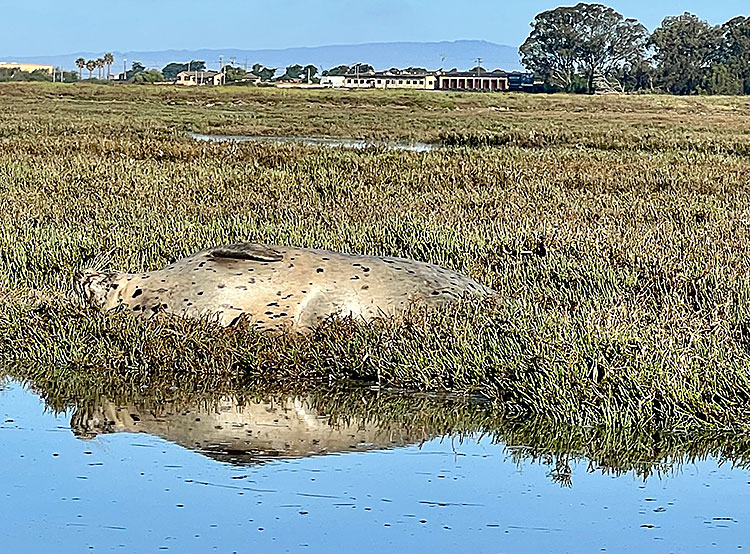
Because the layer unevenly distributed and was so shallow, sometimes just millimeters thick, Wasson pointed out that the much deeper soil samples taken by Vistra’s researchers diluted the true measure of the pollution. The delay in sampling also allowed the pollution to dilute even further.
And the pollution was not just a shallow layer. Wasson also showed photos of large chunks of debris she found, some 6 inches or more in width and length.
“We found hundreds of pieces of debris,” she said. “When we held our instrument over them, they are pure cathode battery metals.”
Wasson said they collected samples, placed them in plastic bags and froze them.
Her bigger concern, though, was with microscopic particles of battery materials appearing in marine organisms. She cautioned that bioaccumulation can take years to fully understand and warned against drawing conclusions from limited data collected only months after the event.
Community, County Leaders Express Concern
Several members of the public either showed up in person or called in to share their concerns. Cheryl Davidson, who lives in north Monterey County, said she and others are still suffering health effects from the fire.
“Nose bleeds, skin rashes, respiratory problems, metallic taste … we’re still having this, a lot of us. Some people gave up their homes and moved away,” she said. “I ask you guys to look at this data. Evaluate it.”
Leslie Austin, who lives in Aromas, said she supports the technology, but the fallout is real and the county and state should take some lessons on when to test and how to test after an event like this.
“That knowledge belongs in the rules. The county didn’t ask for this lesson, but it has it. And I’d ask this board to make sure it doesn’t stay here,” she said.
Monterey County supervisors appeared supportive of the community’s concerns.
“There’s a lot that everyone is learning from this process,*and I understand from DTSC that we have some of the top environmental scientists in the state here, and they want to move cautiously. I know we also have some of the top marine scientists in the world over in Moss Landing, and the difference in presentations are rather stark,” said Supervisor Glenn Church of District 2, which includes Moss Landing.
Church questioned the DTSC, asking why the samples taken went so deep. He also asked why the results of soil sampling performed just weeks after the fire were never presented by the department, but only the results of tests done in May. Unfortunately, he could not get a clear answer from the department.
The draft Preliminary Environmental Assessment — which includes both ecological and human health analyses — is now under review by state agencies. While that is happening, the supervisors directed staff to draft a letter to Vistra asking it to fund independent biological monitoring with oversight by a local entity.
“I’d like to see Vistra fund this ongoing effort,” said Supervisor Kate Daniels.
•••
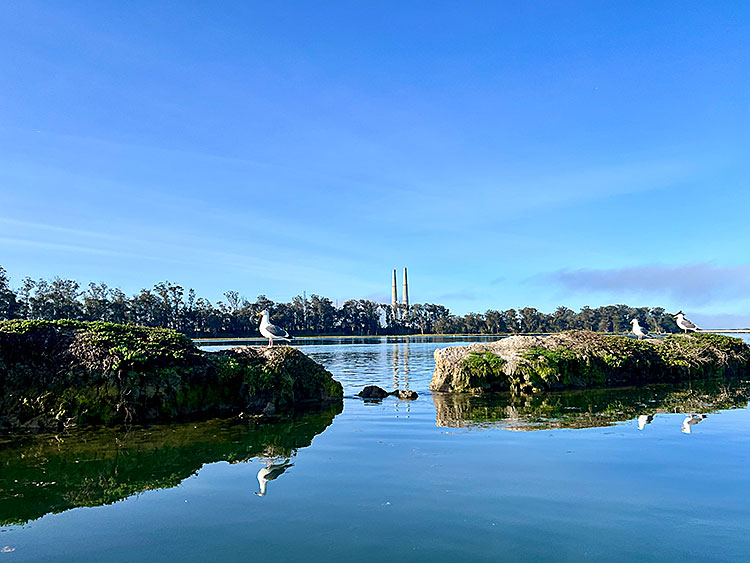
TOP PHOTO: Decommissioned smoke stacks mark the location of the Vistra BESS facility, located near the Elkhorn Slough.