


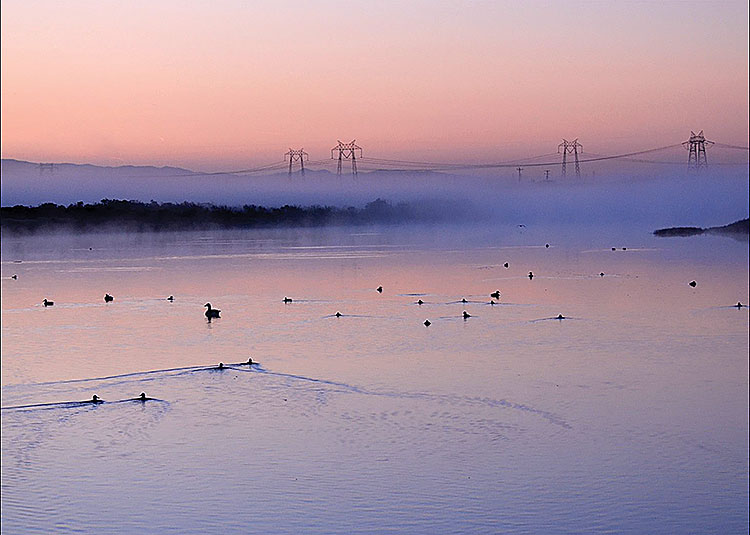
MOSS LANDING — Coastal wetlands across the United States support a far wider range of wildlife than many people realize, according to a new national study that also warns those benefits could decline as sea levels rise and flooding becomes more frequent.
The study, led by the National Estuarine Research Reserve System, documented 146 species of mammals, birds and reptiles using coastal wetlands, based on images captured by 109 motion-activated cameras deployed at 32 sites within 25 reserves from Alaska to Hawaiʻi to Mexico.
Researchers recorded animals ranging from bears in Alaska and feral hogs in Mississippi to armadillos in Florida and the koloa maoli, Hawaiʻi’s native duck.
California’s Elkhorn Slough National Estuarine Research Reserve collaborated with scientists nationwide on what researchers describe as the first coordinated assessment of wildlife use in coastal wetlands across North America. The study used standardized methods at every site, allowing comparisons across regions that had not previously been possible.
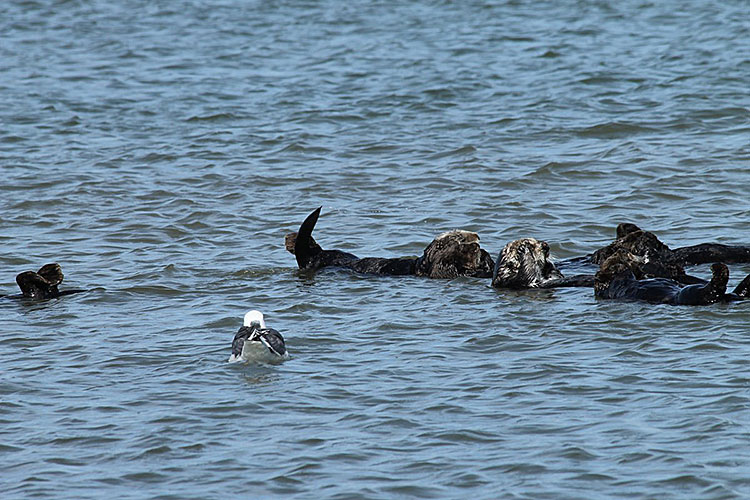
“I love collaborative studies that connect wetlands across the nation,” Wasson said. “This was one of my favorites because we captured such stunning images of different animals in our wetlands.”
Many of the animals documented are active primarily at night and are rarely seen by visitors, making camera traps a valuable tool for understanding how wildlife uses wetland habitats, Wasson said.
“At every reserve, we saw how important wetlands are as nursery habitats for many species and how they provide foraging opportunities and resting refuges,” she said. “Here at Elkhorn Slough, raccoons are the most common mammals in our marshes, but we also regularly see deer, coyotes, bobcats and skunks.”
The findings challenge the perception that wetlands primarily benefit fish and birds. Large predators, including mountain lions, black bears and wolves, were recorded alongside more familiar species, highlighting the connection between wetlands and surrounding uplands and the need for landscape-scale conservation.

“This is the strength of the National Estuarine Research Reserve System,” said Rebecca Roth, executive director of the National Estuarine Research Reserve Association. “It provides a unique national platform for collaborative, applied science that responds directly to community needs.”
The study also raises concerns about the future of wetland wildlife. Researchers found that animal activity dropped sharply during high tides, suggesting that rising sea levels and increased flooding could make marshes less usable for many species.
“These results highlight why protecting and restoring wetlands is so important,” Raposa said. “They also show the need for climate adaptation strategies, such as allowing marshes to migrate inland and conserving nearby uplands.”
•••
More information about the study is available through the National Estuarine Research Reserve Association.
TOP PHOTO: Elkhorn Slough • Photo Credit: Jon Chown