


By Dr. Lori Butterworth, Child & Adolescent Psychotherapist
It’s that time of year again. Kids make their lists, circle toys in catalogs, and write letters to Santa Claus. Everywhere we look, the message is clear: the holidays are about getting stuff. Lots of stuff.
There’s nothing wrong with the excitement of presents under the tree. But the holidays are also an opportunity to give our children something that lasts longer than the latest toy: generosity, gratitude, compassion, and perspective.
Years ago, when I founded Jacob’s Heart Children’s Cancer Support Services, my friend Lisa taught me something about raising generous kids.
Instead of collecting more toys at her twins’ birthday parties, they invited their party guests to donate to Jacob’s Heart to support children with cancer and their families. You might think two little kids would hate that arrangement. But Lisa understood something important: she didn’t make generosity a sacrifice. She made it something to celebrate.
The twins weren’t missing out. They were part of something meaningful.
Today they’re grown, and they’ve become, you guessed it, thoughtful, generous, well-adjusted young men.
As a child and adolescent psychologist, I know that children learn values less from lectures than from experience. When they discover that their actions matter, and see adults living the values they talk about, generosity becomes part of who they are.
Fortunately, Santa Cruz County offers plenty of ways to put holiday generosity into practice.
A Few Ideas For Your Family This Holiday Season
- Adopt a family. Through the Volunteer Center of Santa Cruz County’s Adopt-a-Family program or Jacob’s Heart’s Holiday Hearts, help provide gifts and necessities to local families. Let your children select and wrap the presents.
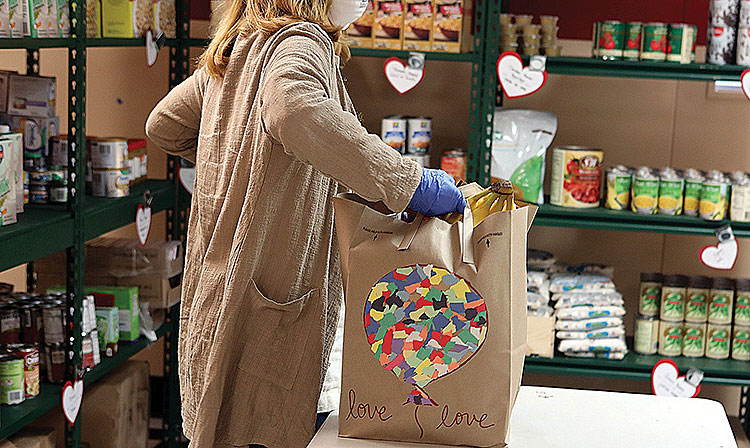
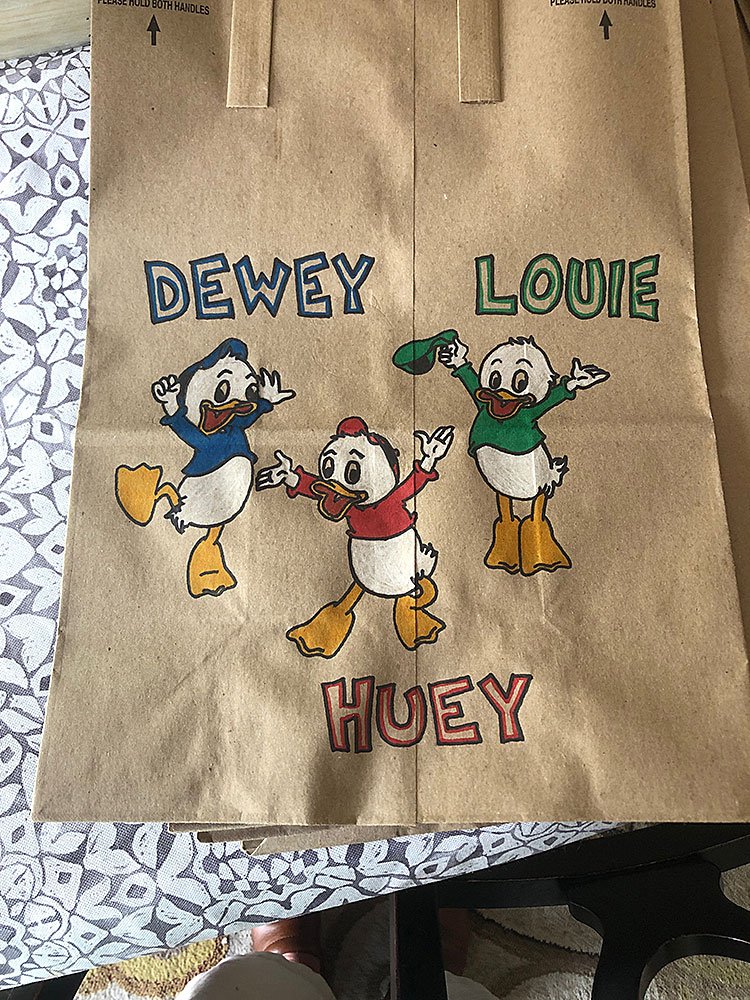
- Decorate grocery bags. Jacob’s Heart delivers groceries to families facing childhood cancer year-round. Children can decorate the bags with drawings and uplifting messages, making an everyday delivery a little brighter.
- Help feed our neighbors. Volunteer with Second Harvest Food Bank in Watsonville or organize a neighborhood food drive. Younger children can help gather donations.
- Get teens cooking. Teen Kitchen Project gives teens ages 14–19 the chance to learn healthy cooking skills while preparing meals for people with serious illnesses.
- Care for our coastline. Join a Save Our Shores beach cleanup. Kids can take pride in keeping our beaches clean and enjoyable for others.
- Remember older neighbors. Support Grey Bears, which provides food to seniors, or bake cookies and visit someone who might be alone during the holidays.
- Practice gratitude. Around the dinner table, ask everyone to name something they’re thankful for that can’t be bought: a friendship, a teacher, or an unexpected kindness.
- Let kids help choose. Ask what matters to them — animals, the environment, homelessness — and support a cause they want to help. Ownership makes giving more meaningful.
One caution: generosity shouldn’t feel like punishment. Forcing kids to give away treasured toys or shaming them for wanting gifts misses the point. Offer choices and celebrate their contributions. The message isn’t, “You should feel guilty because others have less.” It’s, “We’re fortunate, and we can help.”
Remember, our children are watching the little things: how we treat an overwhelmed cashier, whether we help a struggling neighbor, and how we speak about people whose lives differ from ours. Those moments teach character, too.
I still picture Lisa’s twins proudly carrying their donations into Jacob’s Heart. Their mother knew that generosity isn’t just about what we give up. It’s about what we gain through giving.
This holiday season, alongside the presents and cookies, give your children an experience that won’t be forgotten in a closet by February: the chance to make someone’s life a little better.
That’s a gift they can carry for a lifetime.