


Land Trust Safeguards Rare Sandhills Land from Development;
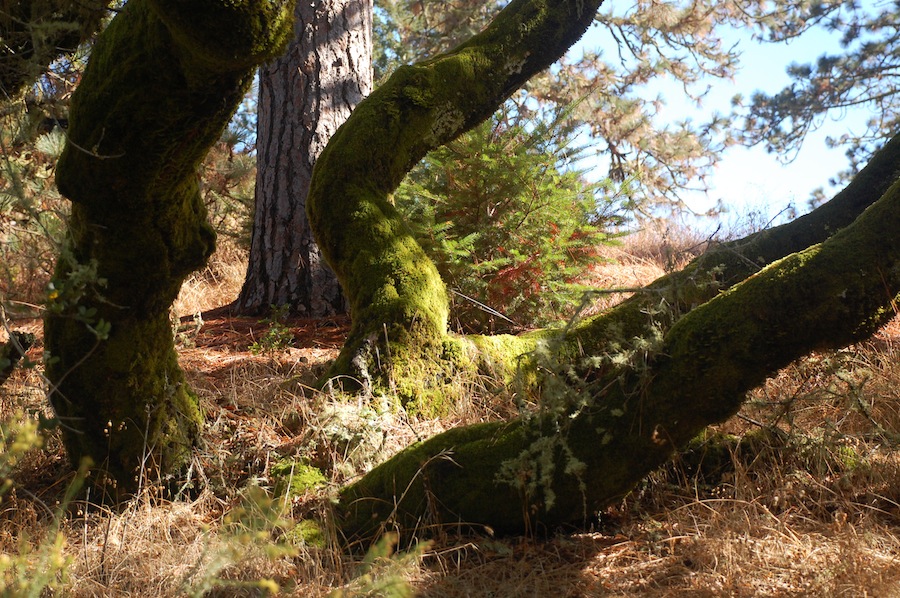
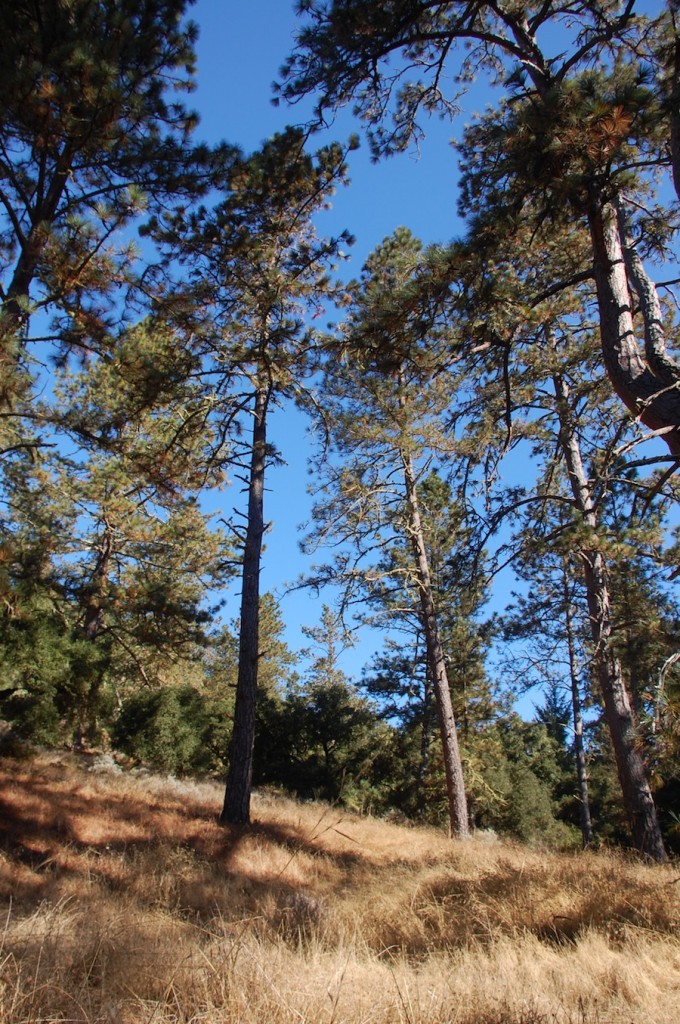
The Sandhills make up an ancient seabed. Sand dollars, seashells, and fossils of extinct sea mammals can be found there. Biologist Peter Raven likened the Sandhills to the Galapagos because of their biological diversity.
The Santa Cruz Sandhills are home to seven species of plants and animals found nowhere else on earth, including the Mt. Hermon June Beetle, Zayante band-winged grasshopper, Santa Cruz kangaroo rat, Ben Lomond spineflower, Santa Cruz wallflower, Silverleaf manzanita and Ben Lomond buckwheat.
“The Sandhills are a rare habitat, threatened by development and destructive human use,” said Land Trust Executive Director Terry Corwin. “We are excited to add these 37 acres to the 230 acres of Sandhills the Land Trust already protects in the area.”
The conservation easement was acquired from an individual who wishes to remain anonymous. Corwin said the Land Trust partners with the Museum of Natural History to offer hands-on learning to elementary school students at the Land Trust’s 189-acre Randall Morgan Sandhills Preserve.
In its 25-Year Conservation Blueprint, completed in 2011, the Land Trust identified the Sandhills as a priority conservation area due to its rarity and unique biological attributes. The group plans to protect additional Sandhills land through easement or acquisition.
Funding for the protection of these 37 acres came from a variety of sources, including $473,000 from the State Wildlife Conservation Board, $296,000 from the US Fish and Wildlife Service, Endangered Species Act, Recovery Land Acquisition Grant Program, and $178,000 from the Living Landscape Initiative for acquisition and stewardship costs. Additional funding for the project came from the Resources Legacy Fund, Bay Area Conservation Initiative Program.
Formed in 1978 by local residents concerned about protecting the lands that make Santa Cruz County special, the Land Trust has protected more than 11,850 acres by working with willing landowners and conservation partners. The trust protects both working lands, like farms and timberland, and natural lands with high conservation value – thus protecting water supplies, wildlife habitats, and open space.