

Ninety-Four Percent of O’Neill Sea Odyssey’s students of all income levels retain Science Lessons
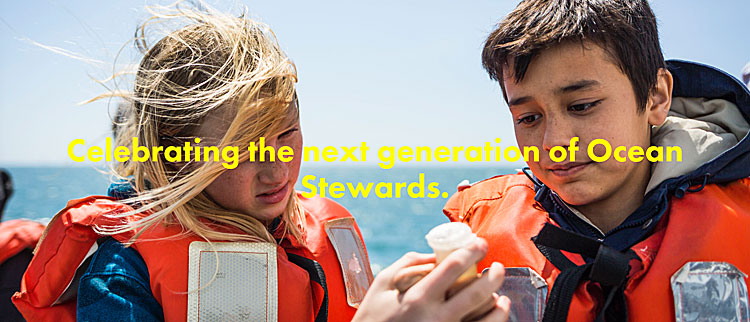 Applied Survey Research (ASR) has completed its evaluation of student survey results for O’Neill Sea Odyssey’s (OSO) program for the 2016-17 school year and found that the free, ocean-going science and ecology program had a high impact on participating youth.
OSO engages 4th – 6th grade youth with a hands-on science education field trip on a 65-foot catamaran on Monterey Bay and in a shore-side education center, in addition to ocean science curriculum provided for use in the classroom. It is free, and each class completes a community service project. OSO also funds bus transportation to and from our site for lower income schools.
The study measured the results of surveys of students administered before and after the program as well as the results of surveys completed by teachers whose classes participated in the program, and cross-analyzed them against demographic data about the participating schools.
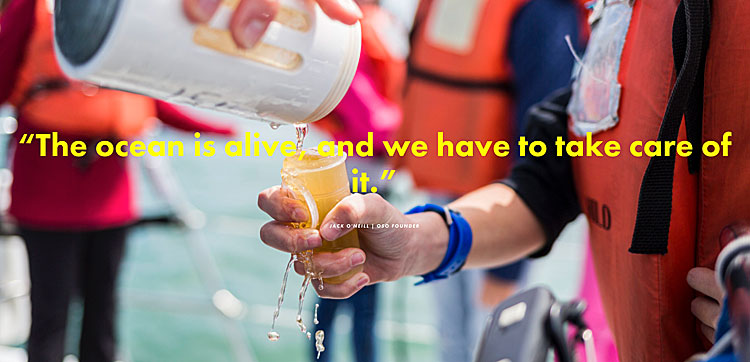 “We are pleased that the ASR analysis indicates that our instructors continue to be effective at teaching ocean concepts across several subjects including math and science while inspiring environmental stewardship and advocacy”, said OSO Executive Director Dan Haifley.
Between July 2016 and June 2017, 5,281 students in 201 classes participated in the program. The Student Survey showed that the program was effective in promoting substantial increases in students’ environmental awareness. Before participating, an average of 70% of students agreed with the survey questions overall. After attending, this percentage increased to 94%.
When student surveys were divided by income level, results showed that all groups of students increased their environmental knowledge after attending the program. The students from lower (69%) and middle (69%) income groups generally had very slightly lower overall levels of agreement before the program started than the higher (80%) income groups but all income groups agreed at 94% or 95% by the end of the program.
Based on population estimates, 66% of the students were Hispanic or Latino, 18% were White, 9% were Asian, Filipino, or Pacific Islander, 1% were African American, less than 1% were American Indian or Alaska Native, and 6% were of another race/ethnicity. 45% of the students attending the OSO program did not have English as their primary language. More than half (66%) of students were receiving free or reduced price meals. 55% of participating groups were lower income groups, 29% were middle income groups, and 15% were higher income groups.
•••
For more info go to: oneillseaodyssey.org