
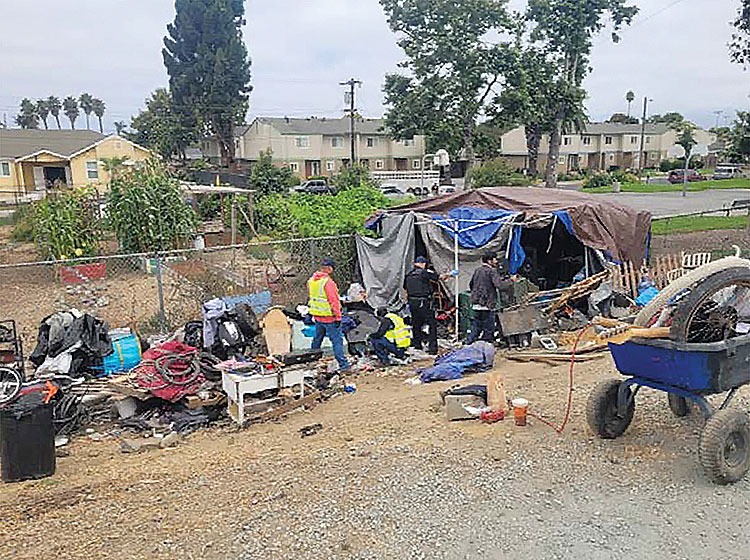
The most recent count shows that Watsonville has reduced its homeless population by half, but the city is aiming for further improvements as it adopted a Homelessness Strategic Plan at its Sept. 23 meeting.
According to the Santa Cruz County Housing for Health Partnership 2025 Point-in-Time Count, a total of 1,473 people were experiencing homelessness in the county on Jan. 30, a 20% reduction from 2024. In Watsonville, the number of homeless fell from 673 to 335. The city began the process of creating a Homeless Action Plan in March of 2024. It created a task force early this year comprised of 30 people across 14 different agencies.
 “It really represents a collaborative process,” said Assistant City Manager Nick Calubaquib.
The plan calls for reviewing the city’s camping, fire and housing codes; developing a funding strategy with the county and nonprofit organizations; building support among city residents for homeless shelters; expanding outreach to homeless people by creating a volunteer corps; reinstating neighborhood watch groups; hiring outreach staff as funding becomes available; and more.
The plan started with housing. According to the city, there are 15,022 dwelling units in Watsonville and there are close to 2,000 rental homes that are offered at “below market” value, including public housing managed by the county or non-profit entities. The city is supposed to build an additional 2,053 units by 2031 according to the state’s Regional Housing Needs Allocation, with 283 of the units ranked as Very Low cost and another 186 as Low cost. In 2024 the city saw just 121 units constructed, with 10 ranked as Very Low and 52 as Low. More projects have been built in 2025, or are being built. In recent years, Watsonville has assisted South County Housing, Santa Cruz Community Counseling Center, Mid-Peninsula Housing Coalition, Eden Housing, Inc., Habitat for Humanity, and others in building more affordable housing.
“We’ve been supporting nonprofit developers for some time now,” said Carlos Guzman Landaverry.
The plan highlighted a lot of spending and called for additional money “when available.” The plan shows the city spends $2.3 million annually in services to prevent homelessness. These are funds already being spent, staff reiterated, not new funding being proposed.
The plan also appeared to call for the creation of a Homelessness Department. City Council members questioned this and other parts of the plan that called for spending. Councilmember Jimmy Dutra said the city’s budget was already struggling and he did not want to make promises that could not be kept. He questioned why the county or state were not providing more help, given Watsonville’s small budget.
Councilmember Ari Parker agreed. “I don’t want to agree to something that sets a roadmap to something I don’t agree with,” she said.
Councilmember Casey Clark had concerns as well, and pointed out that there were ordinances in place to deal with the homeless population that already were not being enforced. He said he had just been burgled last week and wanted to know what was being done about the 5% of the homeless that have been identified as causing most of the problems that the homeless population, in general, is blamed for. In Watsonville, that is 31 individuals. He said he wanted to see accountability added to the plan, both for the homeless and the agencies that are being given money to help them.
“I see all this money going down the drain and I don’t see any positive trends going on,” he said.
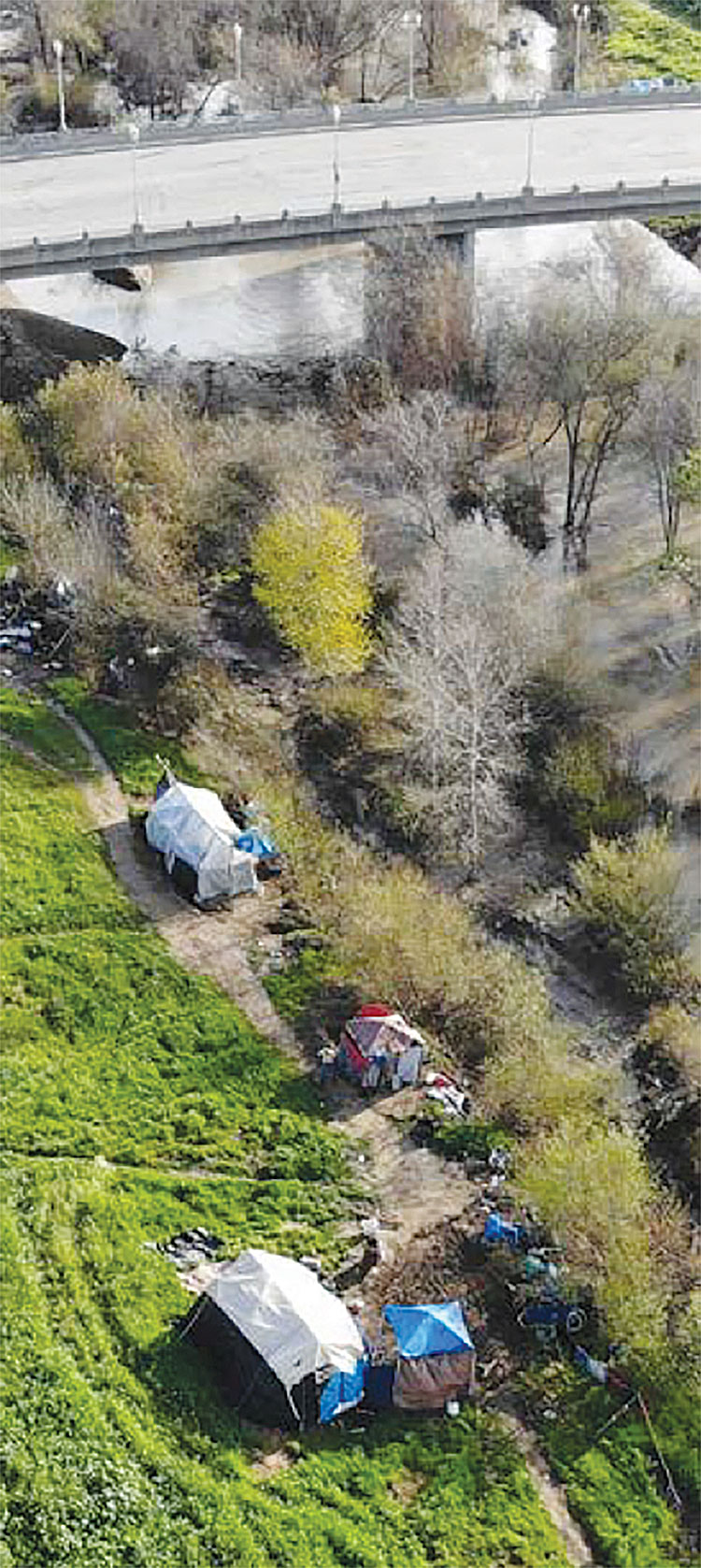
Marta Buliach opened public comment also questioning the accountability. She said the city had long been too tolerant of homeless encampments and criminal activity associated with it, and the Management and Enforcement section of the plan offered no accountability. Encampments along the Pajaro River and elsewhere cause problems.
“Past inaction has fueled and continues to fuel crime and environmental damage,” she said.
Former Watsonville Mayor and current County Supervisor Rafael Lopez spoke next and pointed out that the city hasn’t really come to the county to ask for any money, but with the plan in place, funding could be secured through partnerships and the county and city could apply for grants together. “So this is the first step in getting that funding,” he said.
The plan was originally titled the Homeless Action Plan, but to assuage councilmembers who were concerned that the word ‘action’ would tie the city to spending money it could not afford, it was changed to the Homelessness Strategic Plan and passed unanimously.