
By Jon Chown • Photos Credit: Michael Oppenheimer
SANTA CRUZ — Developers behind the “Sweet Homes” project have sued Santa Cruz County, accusing local officials of stalling the proposed 105-unit apartment complex in violation of state housing laws. The lawsuit was filed in Santa Cruz County Superior Court on March 23.
The lawsuit, brought by Workbench and Sweet Developments LLC, claims that “Santa Cruz County has attempted to avoid the consequences of its actions by dragging its feet and refusing to issue an approval for a desperately needed housing project, keeping the application in limbo.”
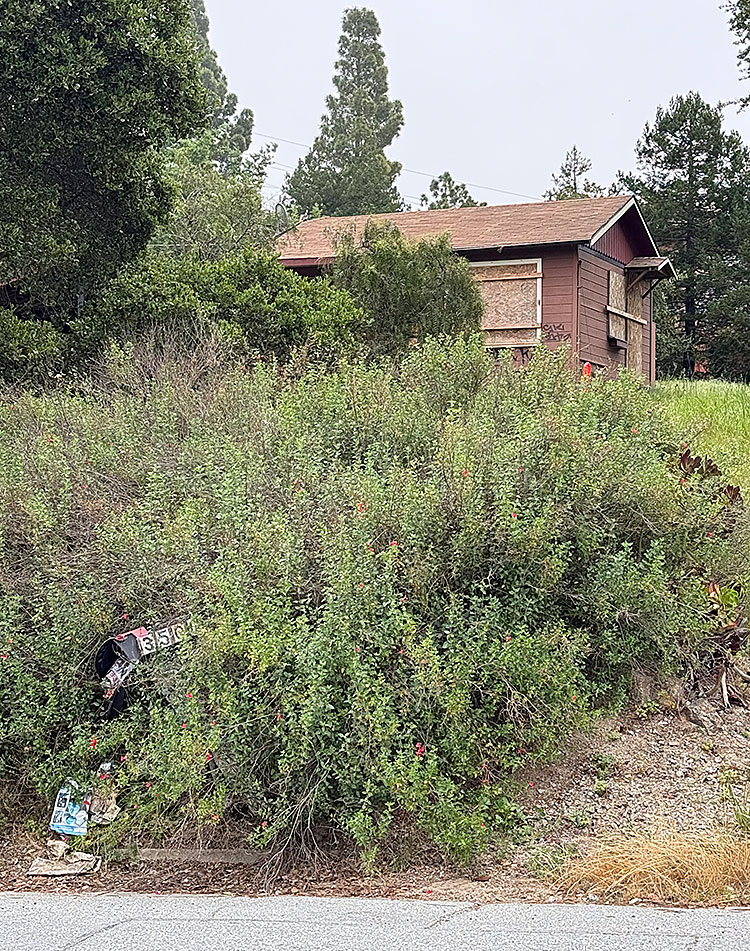
3500 Paul Sweet Road
The petition alleges the county failed to meet legal deadlines to approve or deny the project at 3500 Paul Sweet Road, as required by the state’s Permit Streamlining Act (PSA) and Housing Accountability Act (HAA). The developers’ attorneys at Patterson & O’Neill, P.C., say the inaction means the project is now “deemed approved by operation of law.”
“This case demonstrates why California continues to suffer from a housing crisis of epic proportions,” the lawsuit states, citing legislative findings that local delays drive up housing costs and worsen homelessness. “Permitting delays undeniably drive up the cost of constructing housing. Studies show that the uncertainty and delay caused by discretionary permitting procedures are responsible for as much as a 30% increase in the cost of housing.”
The developers submitted a preliminary application in April 2024, at a time when the county lacked a state-certified housing plan called a Housing Element, making the project subject to California’s so-called “builder’s remedy” provision. That law strips local governments of some authority to block or delay housing projects with affordable components if they fail to comply with state housing rules. The project includes six units for extremely low-income households.
According to the complaint, after the county found the project exempt from environmental review in December 2025, multiple statutory deadlines for a decision passed. At a Jan. 14 Planning Commission meeting, county officials “did not vote to approve or disapprove the project. Instead, the Planning Commission continued the hearing to a date uncertain and requested staff provide more information in response to the various concerns raised by project opponents.”
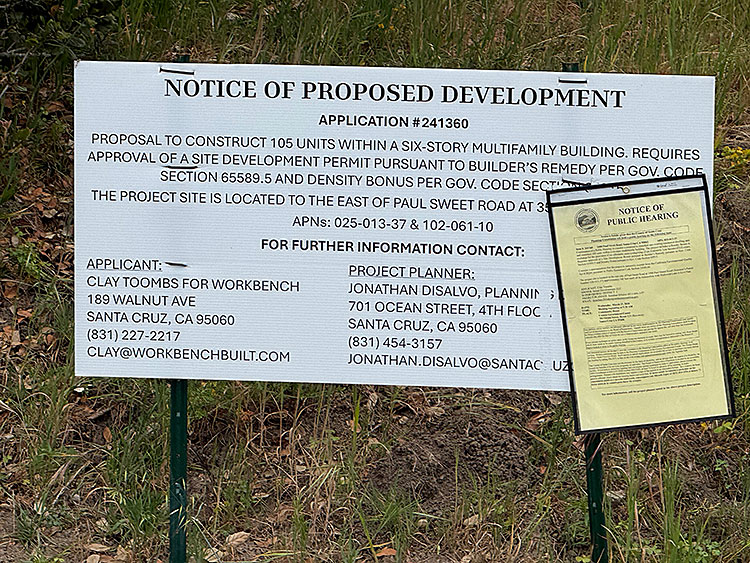
The public hearing notice is attached to the proposed development notification
“There is simply no question that the Planning Commission failed to approve or disapprove the project at the Jan. 14, 2026, hearing, which the county has conceded was already beyond the PSA deadline for the county to act,” the lawsuit continues. “The applicants had tacitly agreed to extend the deadline to give the county more time to hold a hearing, [but] provided no other extensions.”
The petitioners’ counsel sent a letter to the county after the “absolute latest possible deadline” for action, declaring the project legally approved and offering to meet with officials to discuss conditions of approval. “The letter informed the county that the project had been deemed approved by operation of law, and that the county had lost the authority to exercise any discretionary jurisdiction over the project application,” the lawsuit says.
According to the lawsuit, the Board of Supervisors sought to persuade state officials to backdate the county’s compliance with housing law, “specifically to prevent this project from moving forward,” the lawsuit claims.
However, whether or not the county was actually in compliance is in question, and the county is currently seeking an answer from the state. On March 11, the Santa Cruz County Board of Supervisors voted to seek clarification from the California Department of Housing and Community Development (HCD), asking the agency to confirm that the Housing Element was effectively compliant on March 15, 2024 — the date county officials say the state had finished its review.
Internal communications cited by both county officials and the lawsuit indicate HCD staff had told the county the plan was complete and ready to be certified at that time, with no further substantive review afterward. However, due to clerical errors by HCD, the formal certification letter was not issued until April 23 and later backdated to April 12.
The developers are seeking a court order recognizing the project’s approval, prohibiting the county from imposing new conditions, and compelling local officials to process building permits. They also request the county record a Notice of Exemption under state environmental law to reduce the risk of lawsuits from project opponents.
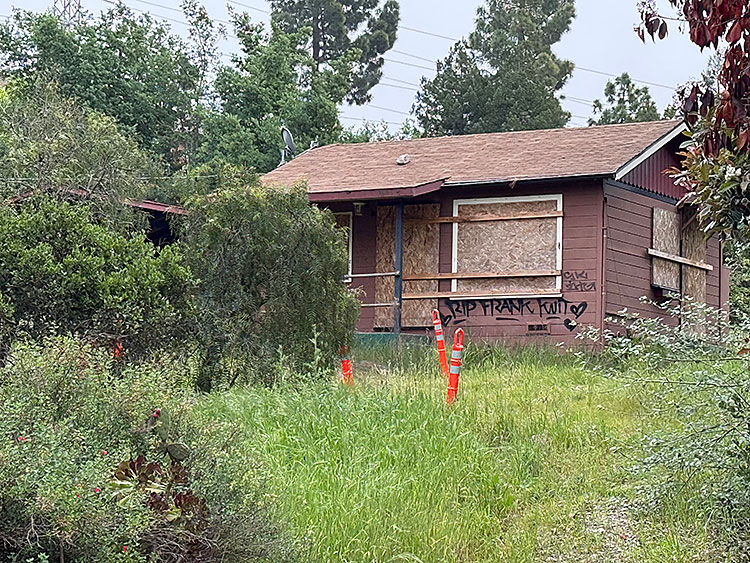
TOP PHOTO: Workbench and Sweet Developments LLC’s lawsuit says the county waited too long to take action against their 3500 Paul Sweet Road project.