
By Joe Ortiz
Stephen Sondheim said that once the melody of a song was fixed, writing lyrics is like completing a crossword puzzle.
In his book Free Play, Stephen Nachmanovitch supported Sondheim’s belief: “Once the first raw draft of a poem emerges, the poet enters into a jigsaw game, playing with line breaks, with the placement of stressed and unstressed syllables. . . . The editing process, of threshing out, reshaping, breaking, lengthening the phrases until they come out whole, may sound like imposing a tyranny of form.”
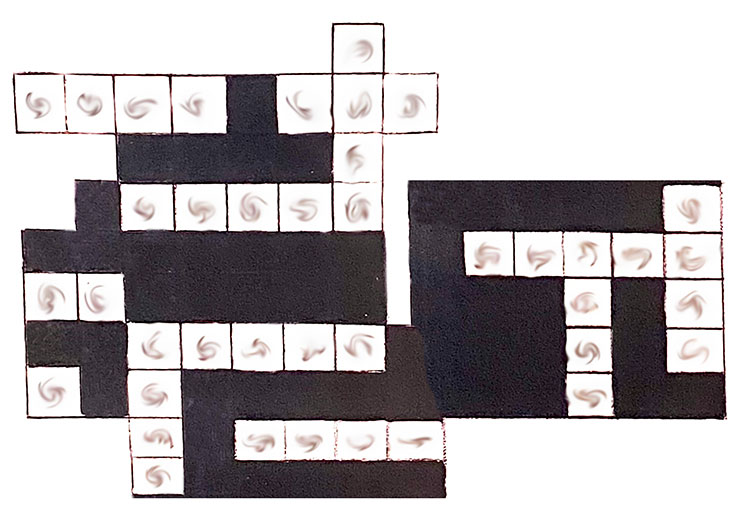
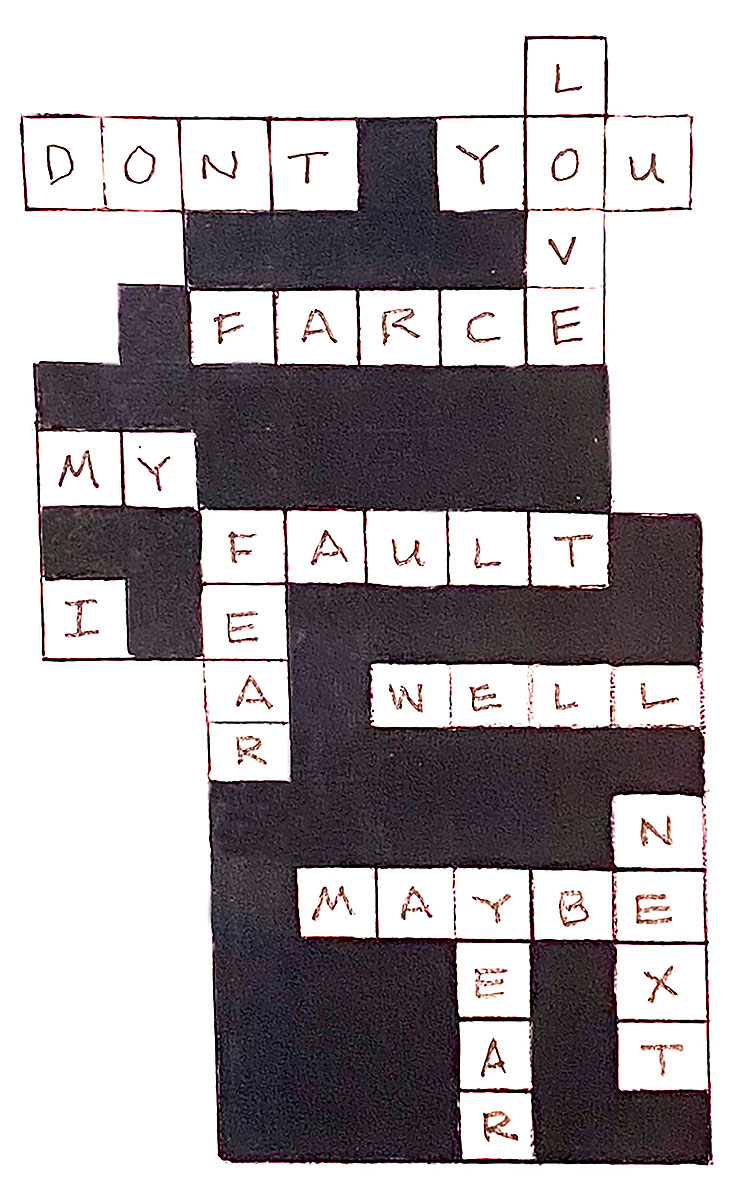 This tyranny of form—religiously following the roadmap—can also be revealing when an unanticipated image sneaks into the poet/lyricist’s mind to solve the puzzle. And when such an unexpected image enters, it’s the poet’s job to grab it out of the air and write it down.
Song form and poetic form are a strict yet supple scaffolding on which we can apply our personal expressive patina. This dynamic works the same way for all the arts (even for writing a grocery list or sketching a design for your garden.) While, in years past such structures were almost iron-clad, today most formal armatures, prompts, or creative forms are more fluid.
Nonetheless, any structure we chose can help us set boundaries—which in turn may force our brains to reject the ridged effects of the game and search for insights from our unconscious.
Overall song forms (such as verse/chorus, for example) and poetic forms (such as a sonnet or haiku) create formal structures. But more subtle limitations for poets and song writers are line length and syllable count. Once these are set down by the writer—by accident or craft—this establishes a contract with the audience. And with oneself as the composer, writer or artist.
Once a first verse is written, this line length and syllable count becomes a pattern and an established motif that the writer can use to initiate a pattern the listener has been trained—through years of tradition and habitual listening—to accept and even crave for fulfillment and satisfaction.
This guideline of structure helps give the lyricist/poet (and puzzle solver) a pattern to write within.
What is it about the jigsaw experience that helps conjure up flashes of insight? As Sondheim knew obsessively, the limitations of the puzzle help to focus the mind into a kind of straight jacket mentality, which helps us seek a creative solution.
•••
Reader response: I’d love to hear your comments and questions. Email me at [email protected]