
 Simplify Me, Pam! “I haven’t done a thing to prepare for an emergency! What’s the best way to create an emergency plan and supply stockpile?”
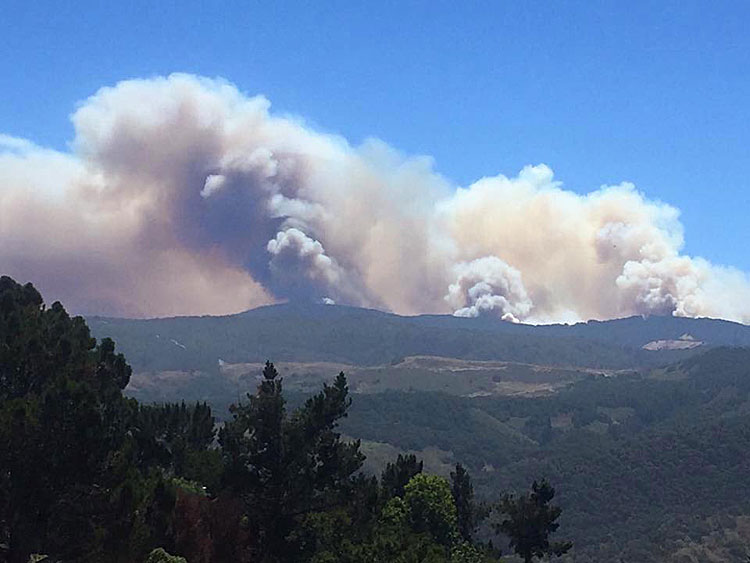
With all the disasters that Mother Nature is showing us lately, there’s no time like the present to put together an emergency preparedness plan that will aid you and your loved ones should a disaster hit close to home.
I asked a dozen people if they had an emergency plan in place, and their answers ranged from “sadly, no…” to “it could be better,” and one, which clearly has a boy scout in the family, replied “we’re all set, and even have dehydrated camping food for 3 days!” It’s imperative to have a plan, as well as contain all critical supplies in an easily accessible place (garage, closet, outside shed, car, office) for immediate “grab and go.” (Consider storing sleeping bags near your emergency kit.)
 There are exceptional resources online (CDC.gov, Ready.gov, RedCross.com, FEMA.gov) that provide guides to create a comprehensive plan (communication, evacuation, food, supplies, shelter). Red Cross states “Prepare a kit, make a plan, be informed.” Certainly concise and spot on, but there’s more to it than just that.
Communication / Evacuation / Shelter: Identify who will be your family’s central point of contact outside the area should the local phone lines get clogged. Identify safe zones and confirm your evacuation plans (home, work, school) so that all family members know where to meet, how to communicate their location and status, what is expected of them during the emergency, where the closest shelters will be, and how you’ll access news alerts throughout the process.
 Information Binder: Create an information binder complete with photocopies of ALL important documents, deeds, certificates, passports, records, registrations, prescriptions, immunizations (humans, pets), credit cards, utility / gas shut-off valves, and a print-out of your e-address book. Insurance companies suggest taking a detailed video of all your belongings and household contents for accurate claims. As an added precaution, download all critical files onto a high-capacity USB drive, along with photos and videos, and place it in a watertight ziplock.
Supplies: You may not have electricity, nor access to your computer, cell phone or car, so consider all the things you use in a day, and what you’ll truly need to lessen the impact of a disaster. Place all items inside a secure, waterproof Rubbermaid container or trashcan, and use ziplock bags to contain “like things.”
- Food and water: Enough for 72 hours (non-perishable and nutritious).
- Supplies: A well-stocked first aid kit, can opener, ziplock bags, lighter / matches, scissors, flash light, whistle, batteries, solar charger, durable trash bags, cash, portable radio, pocket knife, screw driver, hammer, disposable cups, basic utensils, rope, pens/paper, duct tape. For each person: Mylar blankets, shoes, a change of clothing, poncho, and simple backpacks.
- Personal products: Prescriptions, toiletries, tissue, hand sanitizer, wipes.
- Kids: A familiar toy that will comfort them.
- Pets: Microchip your pets, have a pet carrier nearby, leash/harness, food, medicine.
Before a disaster hits, create a solid plan, fill your supply bin and kits, and talk with your family and friends about “what if’s” so that if faced with a disaster, you are prepared and can remain calm.
•••
Pam Hudson, owner of Simplify With Pam, a professional organizing business here in the Monterey Bay Area, works with busy families, individuals and small businesses, as well as people who are downsizing, relocating, moving, and emergency preparedness. www.simplifywithpam.com, or contact her: [email protected], 831.706.0516